


Key Highlights
Here are the key takeaways from our guide on ABA therapy for two-year-olds:
- ABA therapy for toddlers is highly personalized and play-based, focusing on your child’s development in a fun, positive way.
- Early intervention is crucial, as starting therapy at a young age can lead to significant, meaningful changes.
- Therapy sessions often take place in a natural environment, like your home or a daycare setting, to encourage learning during everyday activities.
- Core techniques include play-based learning and positive reinforcement to build skills in communication and social interaction.
- Parents are key partners in the process, helping to reinforce skills at home.
Introduction
When your two-year-old is diagnosed with autism, you might hear about Applied Behavior Analysis (ABA) therapy. This evidence-based treatment is a wonderful way to support your child’s development. ABA is a personalized approach designed to help toddlers build essential communication and social skills while reducing behaviors that can make learning more difficult. This guide will walk you through what ABA therapy looks like for a two-year-old, so you can feel confident and informed as you start this new chapter.
Understanding ABA Therapy for 2 Year Olds
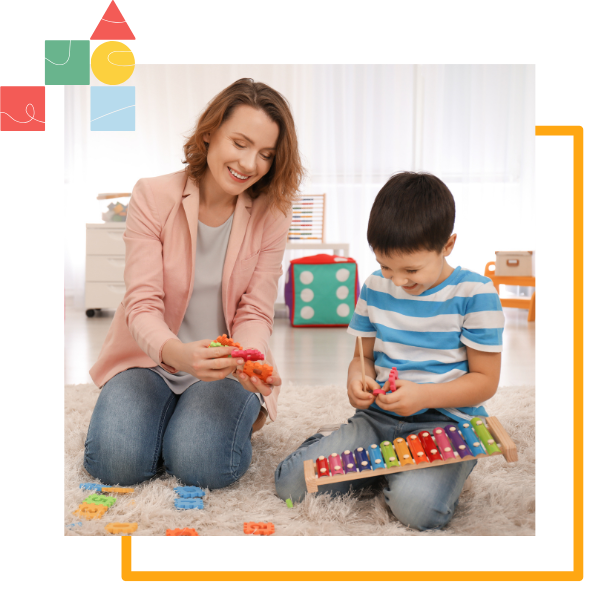
Applied Behavior Analysis, or ABA, is a research-backed therapy for children with autism spectrum disorder. For a two-year-old, it’s not about sitting at a desk. Instead, it’s a dynamic, play-based approach that is tailored to your child’s unique needs and interests. A typical session is filled with fun, engaging activities that feel like playtime but are carefully designed to teach important skills.
Our ABA therapy solutions focus on creating a positive and supportive environment. The goal of behavior analysis at this age is to build a strong foundation for learning. We focus on what motivates your child, using their favorite toys and activities to build trust and make therapy an enjoyable experience. We will explore what makes this approach so effective and why starting early makes a significant difference.
What Makes ABA Effective for Toddlers With Autism
The effectiveness of Applied Behavior Analysis for toddlers lies in its personalized and positive approach. Every child’s program is designed around their specific strengths and your family’s goals. We don't use a one-size-fits-all method. Instead, ABA therapy breaks down complex skills into small, manageable steps, making it easier for a two-year-old to learn and succeed.
One of the main goals of ABA therapy for a two-year-old is to build foundational skills in communication, social interaction, and daily living. For instance, in our sessions, we’ve seen toddlers learn to request a toy using a word or a picture card, which reduces frustration and builds their confidence. This is achieved through hands-on practice, repetition, and a lot of positive reinforcement.
By celebrating every small achievement, we help your child feel motivated and excited to learn. Whether it's learning to take turns during a game or making eye contact, the focus is always on building new skills in a way that feels natural and rewarding. This helps create a strong base for future learning and development.
Early Intervention: Why Starting at Age Two Matters
Starting ABA therapy at age two is a form of early intervention that can make a profound difference in your child's journey. A toddler's brain is incredibly adaptable, making this the ideal time to introduce new skills and build positive learning patterns. Early intervention helps address developmental challenges before they become more ingrained, setting the stage for future success.
At this young age, therapy can lead to significant and meaningful changes. We've seen firsthand how early ABA therapy helps two-year-olds with autism make incredible strides. For example, a child who initially struggled with transitions might learn to move between activities with less distress, improving their daily experience and reducing family stress.
Ultimately, starting early helps maximize your child’s growth potential. It allows therapists to build a strong, trusting relationship with your toddler and family from the beginning. This partnership ensures that the skills learned in therapy are supported and generalized to home, daycare, and community settings, fostering lasting progress.
Core ABA Techniques Used With 2 Year Olds
When working with two-year-olds, ABA therapy uses specific techniques that are both gentle and effective. These methods are designed to be playful and align with a toddler's natural way of learning. The primary goals of these ABA techniques are to boost communication, enhance social skills, and improve daily living abilities in a fun, engaging manner.
Approaches like the Early Start Denver Model (ESDM) weave learning into play-based activities, making therapy feel like a game. Every technique used in behavior analysis is carefully selected to match your child’s needs and personality, ensuring the approach is as unique as they are. Below, we'll look at two of the most common methods used in ABA therapy for toddlers.
Play-Based Learning and Natural Environment Teaching
Yes, ABA therapy sessions for two-year-olds are heavily centered around play-based learning. This approach, often called Natural Environment Teaching (NET), turns everyday moments and activities into learning opportunities. Instead of structured drills, the therapist joins your child in their world, using their interests to teach essential skills. For instance, if your toddler loves blocks, the therapist might use them to teach colors, counting, or turn-taking.
This method helps children learn in a natural environment where they feel most comfortable, like your living room or a playground. The goal is to make learning seamless and fun.
During these moments, therapists focus on building:
- Functional communication (like asking for a snack)
- Social skills (such as sharing toys)
- Play skills (like engaging in pretend play)
- Motor and coordination skills
In our sessions, we’ve seen how teaching skills within a child’s daily routine helps them generalize what they’ve learned. For example, practicing requesting a favorite item during snack time helps them use that skill effectively in real-life situations, making learning both meaningful and practical.
Discrete Trial Training and Positive Reinforcement
While much of a toddler's ABA therapy is play-based, another key technique is Discrete Trial Training (DTT). DTT is a more structured method that breaks down new skills into small, simple instructions. This is particularly helpful for teaching foundational skills that require repetition, like matching pictures or imitating a new word.
Each "trial" in DTT is short and consists of three parts: a clear instruction, your child’s response, and immediate feedback. The core of this process is positive reinforcement. When your child responds correctly, they receive something they find motivating, such as praise, a high-five, or a moment with a favorite toy. This makes learning feel rewarding and encourages them to participate.
Therapists keep DTT sessions brief and mix them with play to maintain a toddler's engagement. For example, a therapist might ask a child to point to a picture of a dog. When they do, the therapist might celebrate with "Great job!" and then transition into making animal sounds together. This balance ensures your child stays happy and motivated throughout their ABA therapy.
What Happens in a Typical ABA Session for a 2 Year Old
A typical ABA session for a two-year-old is designed to be predictable yet flexible, keeping them engaged and happy. Professional ABA therapy can take place at home, in a center, or even in daycare settings. The day starts with a warm-up period to help your child feel comfortable and reconnect with their therapist. This "pairing" process is vital for building trust.
Throughout the session, the therapist will guide your child through various everyday activities that incorporate their learning goals. The structure is built around your child’s comfort level and energy, with plenty of breaks for snacks, movement, or quiet time. We'll now explore the structure of these sessions and the types of activities involved.
Structure and Duration of Therapy Sessions
The structure of ABA sessions is tailored to your child’s individual needs and attention span. Sessions are often broken into shorter blocks of focused activity, each lasting around 45 to 60 minutes. These blocks are interwoven with breaks to ensure your child remains focused and doesn't feel overwhelmed. The overall duration of therapy can vary, with some children receiving a few hours a week and others participating in more intensive programs.
The schedule is designed to be predictable, helping your toddler feel secure. A typical session might flow from a warm-up activity to a block of skill-building, followed by a snack break and then more play-based learning. This ABA therapy approach ensures that learning is integrated into daily life and routines naturally.
Here is an example of what a portion of a session might look like, though it will always be adjusted based on the child's needs:
| Time Slot (Example) | Activity | Skills Targeted |
|---|---|---|
| 9:00 AM - 9:15 AM | Arrival & Warm-Up (Free Play) | Building rapport, transitioning into therapy |
| 9:15 AM - 10:00 AM | Therapy Block 1 (NET with blocks/puzzles) | Colors, shapes, requesting, turn-taking |
| 10:00 AM - 10:15 AM | Snack Break | Requesting food/drink, following simple directions |
| 10:15 AM - 11:00 AM | Therapy Block 2 (DTT & movement game) | Imitation, following instructions, motor skills |
This flexible structure helps embed learning into your child's day in a positive, supportive way.
Common Activities and Engagement Strategies
In ABA therapy for a two-year-old, activities are chosen based on what your child loves to do. The therapist's role is to turn these preferred daily activities into opportunities for growth, guiding your child every step of the way. Whether at home or in a new ABA center, engagement is key. We find out what motivates your child and use those things to make learning fun.
For example, if a child loves music, a session might involve singing songs that teach body parts or action words. If they are fascinated by cars, the therapist might use toy cars to work on counting or prepositions like "in" and "out."
Some common activities and strategies include:
- Using a Picture Exchange Communication System (PECS) to help a child request a desired toy or snack.
- Playing with bubbles to encourage eye contact and simple words like "more" or "pop."
- Building with blocks to practice turn-taking and imitation.
- Incorporating learning into snack time by asking the child to identify or request food items.
The goal is to weave skill-building into your child’s natural play. By following their lead and interests, therapists can keep toddlers engaged, happy, and eager to participate in therapy.
Collaborating With Parents in ABA Therapy
As a parent of a toddler in ABA therapy, your involvement is one of the most critical factors for success. You are the expert on your child, and your partnership with the therapy team is essential. Our ABA experts today recognize that collaboration with families is the cornerstone of effective autism services. We work closely with you to understand your goals for your child’s development.
Your insights help us tailor the therapy program to be more effective and meaningful for your family. This partnership extends beyond just sharing information; it involves active participation and learning. Let's look at how you can be involved during sessions and how you can support your child's progress at home.
Parent Involvement During Sessions
Parent involvement during ABA therapy sessions can take many forms, depending on what works best for your family and your child. Some parents choose to observe sessions to learn the techniques the trained therapist is using. This can be incredibly empowering, as you see firsthand how to encourage positive behaviors and teach new skills.
In other cases, you might actively participate in parts of the session. For example, a therapist might coach you on how to prompt your child to use a new word during playtime or how to reinforce a specific daily living skill, like washing hands before a meal. We've found that when parents join in, children are often more motivated and learn to apply their new abilities with different people.
Your role is to be a partner in the process. The therapist is there to guide you, provide support, and equip you with the tools to help your child learn meaningful skills. This collaboration ensures that the progress made in ABA therapy becomes a natural part of your family's daily life.
Progress Tracking and Supporting Goals at Home
A key part of the ABA process is consistent progress tracking. Therapists collect data during every session to monitor how your child is learning and which strategies are most effective. This information is often shared with you through graphs and reports, so you can see clear, measurable success over time and understand how your child's program is being adjusted.
Your role in supporting these goals at home is invaluable. By incorporating the same techniques into your daily routines, you help your child generalize their new skills. For example, if your child is learning to request items, you can practice this during meals or playtime. This provides them with more opportunities to learn and receive immediate feedback in different settings.
You might start to see progress like clearer communication, fewer challenging behaviors, or increased participation in play. Finding new ways to reinforce what your child is learning in therapy will strengthen their development. Regular communication with your therapist will ensure you are always aligned and working together to support your child’s growth.
Conclusion
Understanding what ABA therapy looks like for a 2-year-old is crucial for parents and caregivers seeking effective intervention strategies. By focusing on play-based learning and natural environments, young children with autism can thrive in their early years. The structured approach of ABA not only fosters essential skills through positive reinforcement but also emphasizes collaboration with parents to ensure progress is made both in and outside therapy sessions. As we’ve seen in our sessions, early intervention can lead to significant improvements, making it an invaluable resource for families.
At Steady Strides ABA, we specialize in early intervention ABA therapy programs in Texas designed to meet the unique needs of young children.
Learn how we can support your child’s development and set the foundation for future success. Contact us today!
Frequently Asked Questions
How is ABA therapy different for a 2 year old compared to older children?
For a two-year-old, ABA therapy is entirely play-based and integrated into their daily life. The focus is on building foundational skills in a natural setting. ABA techniques are adapted to a toddler's short attention span, using fun activities and positive reinforcement to break down learning into manageable steps that fit their developmental child’s needs.
Are ABA sessions play-based for toddlers?
Absolutely. ABA sessions for toddlers are centered around play-based learning. Therapists use a child's favorite toys and activities in a natural environment, such as the home or daycare settings, to teach essential skills. This approach makes learning feel like fun, which keeps toddlers engaged and motivated to participate.
What progress should parents expect to see in the first months?
In the first few months of ABA therapy, you might see small but significant progress. This could include increased attempts at functional communication, more engagement during play, or greater cooperation in daily routines. Progress tracking will show the gradual development of new skills as your child builds confidence and trust with their therapist.
SOURCES:
https://www.nu.edu/blog/what-is-natural-environment-teaching/
https://pubmed.ncbi.nlm.nih.gov/38917993/
https://www.prosperoteaching.com.au/career-insights/natural-environment-teaching-net-what-it-is-and-why-it-works/
https://www.positivereinforcement.net/what-is-natural-environment-teaching-net
https://www.capella.edu/blog/psychology/aba-therapy-techniques/