


Children and adults with
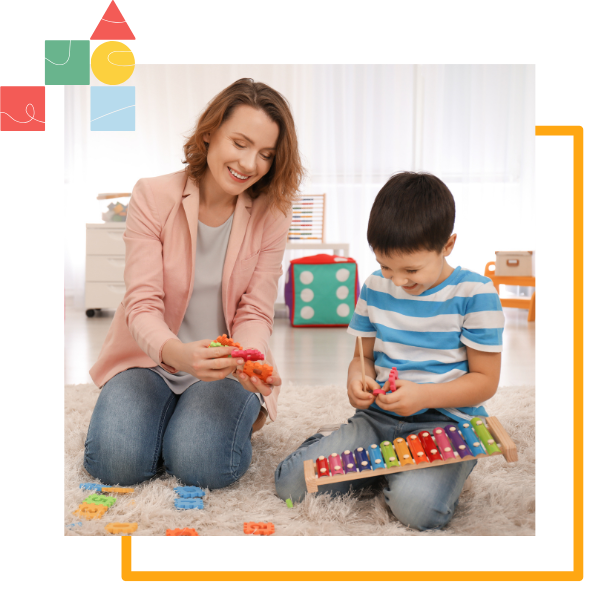
autism often develop strong, focused interests, sometimes called “obsessions” or “special interests.” These can range from trains, dinosaurs, and numbers to technology, TV shows, or collecting items. For many, these interests provide comfort, structure, and a way to manage emotions. They can also become a powerful tool for learning, as children often excel when lessons are tied to their favorite topics.
However, obsessions can also affect daily life. Some children may spend hours talking about or engaging with their interests, which can limit social interaction or flexibility in routines. In school, this might look like difficulty shifting attention away from a preferred subject. At home, families may notice challenges with transitions or frustration when access to the interest is restricted.
The key is balance, supporting these interests while teaching strategies to broaden skills and manage behaviors. With guidance, obsessions can become strengths rather than barriers.
At Steady Strides ABA, through ABA therapy in Texas, we help families to harness special interests to build communication, social skills, and independence.
Discover how we can support your child’s growth. Contact us today!
SOURCES:
https://www.psychiatry.org/patients-families/obsessive-compulsive-disorder/what-is-obsessive-compulsive-disorder
https://pmc.ncbi.nlm.nih.gov/articles/PMC12167328/
https://www.autism.org.uk/advice-and-guidance/mental-health/ocd
https://health.clevelandclinic.org/understanding-ocd-and-autism+
https://www.autismparentingmagazine.com/anxiety-and-autism/?srsltid=AfmBOopsAWLYh8izBx_h77DfD4uUOfwDOTrMV22uuyz224nQxUOcMR2e