
Orange balloon with a string.
Logo for

Can Level 1 Autism Live Alone?

Rebecca Hollister

PhD, BCBA-D

Seventeen years in ABA has shaped Rebecca's philosophy: good therapy isn't just about data — it's about dignity.

Level 1 autism, often referred to as “high‑functioning autism,” describes individuals who need minimal support compared to other levels of Autism Spectrum Disorder (ASD). Many adults with level 1 autism can live alone successfully, but their independence often depends on the development of daily living skills, social communication, and coping strategies.

Challenges may include managing finances, maintaining routines, or navigating social interactions. With the right supports, such as structured skill‑building, therapy, and community resources, individuals can thrive independently. Applied Behavior Analysis (ABA) plays a key role by teaching practical skills like meal preparation, time management, and problem‑solving, while also reinforcing confidence and adaptability.


It’s important to note that independence looks different for everyone. Some may live fully on their own, while others benefit from occasional support from family, friends, or professionals. The goal is not just living alone, but living well with the tools to handle life’s responsibilities.


At Steady Strides ABA, we serve families and provide personalized ABA therapy in Texas that empowers individuals with autism to build independence and confidence.


Take the first step toward steady progress. Contact us today!


SOURCE:


https://my.clevelandclinic.org/health/treatments/25197-applied-behavior-analysis


https://en.wikipedia.org/wiki/Applied_behavior_analysis


https://en.wikipedia.org/wiki/Applied_behavior_analysis


https://www.reddit.com/r/autism/comments/1g99krc/does_anyone_else_with_level_1_autism_need_a_lot/


https://www.quora.com/Is-it-possible-for-someone-with-severe-autism-to-live-independently-and-function-well-in-society-with-proper-support
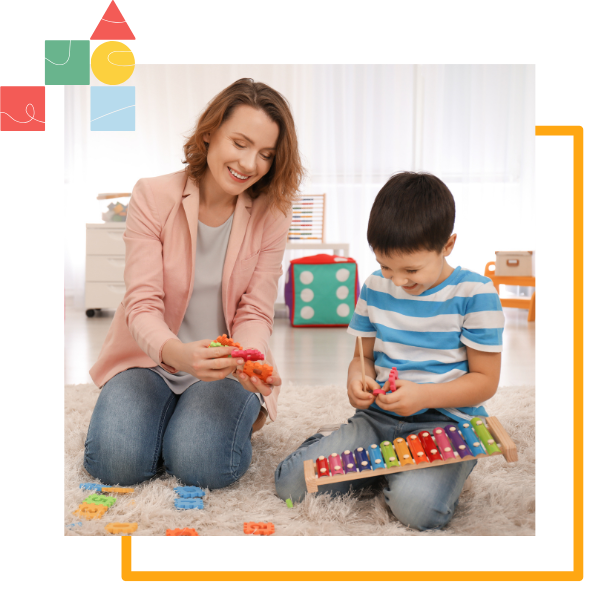


Woman and child playing with blocks and xylophone on a rug; indoors, smiling.

Reading about ABA is one thing. Experiencing your child’s progress is another.

Talk with one of our Board Certified Behavior Analysts (BCBAs) to learn how therapy can help your child grow, communicate, and thrive — at home or in the community.

No commitment required.

Looking for Guidance?

We're Here for You!

Our dedicated professionals are committed to helping your child thrive. Connect with us to learn how our ABA therapy can make a difference.

Get In Touch With Our ABA Experts Today

Related posts

Woman and boy mimicking each other, touching their temples and chins. Wooden background, logos at bottom.
By Tova Leibowitz, BCBA, Clinical Director June 21, 2026
Discover effective ABA interventions for rigidity that build flexibility and independence in autistic children while respecting who they are. Learn more.
Teacher writing on a chalkboard for a group of children seated on the floor in a classroom.
By Tova Leibowitz, BCBA, Clinical Director June 20, 2026
Explore 2026 ABA therapist salaries in Texas, covering RBT and BCBA ranges, factors that drive pay, and strategies to grow income and advance in the ABA field.
Woman and child planting; soil on hands, smiling. Indoors, plants, couch visible.
By Tova Leibowitz, BCBA, Clinical Director June 19, 2026
Learn the 3 basic principles of ABA, from the ABC model to reinforcement, prompting, and fading, and how they drive real skill growth for autistic learners.
Show More