

Orange balloon with a string.
Logo for

Are Autistic Kids Very Attached to Their Parents?

Priya Anand

PsyD, BCBA

Priya found her way into ABA through developmental psychology, and she's spent the last 13 years focused on the earliest years.

Yes, many autistic children form strong attachments to their parents, though the way they express it can look different from neurotypical children. Their bond often centers on the comfort, predictability, and sense of safety their parents provide.

Some autistic children may show attachment by wanting to stay close, seeking help primarily from their parents, or preferring familiar routines that involve family. Others may express closeness more subtly through small gestures, shared interests, or simply feeling calm when their parents are nearby.


It’s important to understand that differences in social communication don’t mean a lack of love or connection. An autistic child’s attachment is very real; it may just not always fit traditional expectations. Supporting their needs, respecting their boundaries, and celebrating their interests can strengthen this bond even further.


Parents play a central role in helping their children grow, and with the right guidance, that attachment can become the foundation for confidence and independence.


At Steady Strides ABA, we support families with personalized ABA therapy across Texas that nurtures strong parent-child relationships while building skills for the future.


Contact us today to learn how our ABA programs can support your family’s journey.


SOURCES:


https://www.attachmentproject.com/blog/autism-and-attachment/


https://www.autismparentingmagazine.com/autistic-child-favors-one-parent/


https://www.thetransmitter.org/spectrum/infants-interactions-with-parents-may-predict-autism/


https://www.autismparentingmagazine.com/overly-affectionate-autistic-child/


https://pmc.ncbi.nlm.nih.gov/articles/PMC2247444/
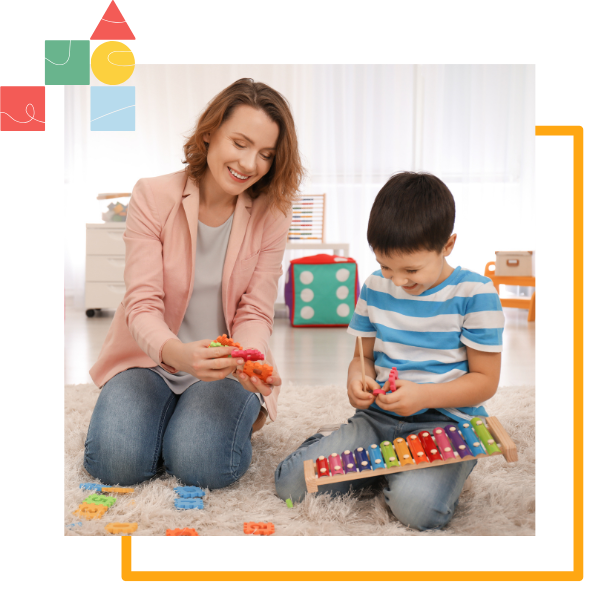
Woman and child playing with blocks and xylophone on a rug; indoors, smiling.

Reading about ABA is one thing. Experiencing your child’s progress is another.

Talk with one of our Board Certified Behavior Analysts (BCBAs) to learn how therapy can help your child grow, communicate, and thrive — at home or in the community.

No commitment required.

Looking for Guidance?

We're Here for You!

Our dedicated professionals are committed to helping your child thrive. Connect with us to learn how our ABA therapy can make a difference.

Get In Touch With Our ABA Experts Today

Related posts

Therapist draws with markers at a table while an autistic girl leans on his shoulders during therapy
May 6, 2026
Find hope and encouragement for Texas parents of autistic children. Steady Strides ABA shares strategies, support, and uplifting stories to inspire you.
Therapist shows alphabet flashcards to autistic boy, helping with letter recognition during therapy
May 5, 2026
Discover how Functional Communication Training in ABA helps replace challenging behaviors with vital communication skills. Trusted therapy across Texas.
Specialist gently supports an autistic boy’s chin while assessing communication or articulation
By Tova Leibowitz, BCBA, Clinical Director May 5, 2026
Nonverbal autism describes autistic individuals with little to no spoken speech. Learn what it means, communication options, and ABA therapy support in Texas
Show More