
Orange balloon with a string.
Logo for

Is Level 2 Autism High Functioning or Severe Autism?

When families hear the term Level 2 autism, it’s natural to wonder if it means “high functioning” or “severe.” In reality, Level 2 autism is neither. According to the DSM-5, autism is categorized into three levels based on the amount of support needed. Level 2 indicates substantial support requirements in areas such as communication, social interaction, and daily living skills.


Children with Level 2 autism may struggle with verbal and nonverbal communication, find social situations overwhelming, and need structured routines to thrive. Unlike the outdated labels “high functioning” or “severe,” Level 2 reflects a middle ground, acknowledging significant challenges while also recognizing the potential for growth with the right interventions.


Applied Behavior Analysis (ABA) therapy plays a vital role here. By using evidence-based strategies, ABA helps children build communication skills, manage behaviors, and increase independence. With consistent support, many families see meaningful progress that improves quality of life.


At Steady Strides, we specialize in personalized ABA therapy programs in Texas for children with autism at every level. 


Let’s design a plan that supports your child’s unique needs. Contact us today!


SOURCES:


https://my.clevelandclinic.org/health/treatments/25197-applied-behavior-analysis


http://www.webmd.com/mental-health/what-is-applied-behavior-analysis


https://pmc.ncbi.nlm.nih.gov/articles/PMC9458805/


https://online.regiscollege.edu/blog/aba-therapy-examples


https://vcuautismcenter.org/resources/factsheets/printView.cfm/982
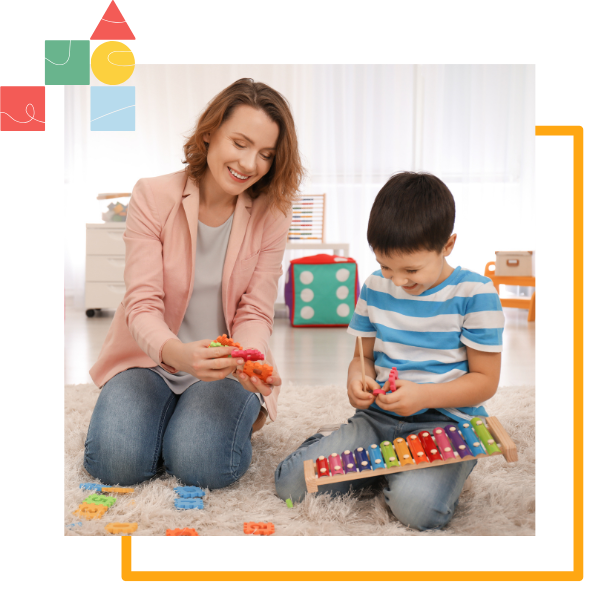
Woman and child playing with blocks and xylophone on a rug; indoors, smiling.

Reading about ABA is one thing. Experiencing your child’s progress is another.

Talk with one of our Board Certified Behavior Analysts (BCBAs) to learn how therapy can help your child grow, communicate, and thrive — at home or in the community.

No commitment required.

Looking for Guidance?

We're Here for You!

Our dedicated professionals are committed to helping your child thrive. Connect with us to learn how our ABA therapy can make a difference.

Get In Touch With Our ABA Experts Today

Related posts

Therapist and autistic girl drawing together on carpet, supporting learning & communication skills.
By Tova Leibowitz, BCBA, Clinical Director February 24, 2026
Discover how ABA therapy supports self-regulation in autism by improving emotional control, reducing stress, and fostering independence in daily life.
Autistic boy wearing glasses holding small alarm clock, symbolizing time management and routines.
By Tova Leibowitz, BCBA, Clinical Director February 24, 2026
Learn about ABA therapy duration, including daily session lengths, overall treatment timelines, and factors that influence progress for children with autism.
Autistic girl looking thoughtful as therapist discusses her colorful house drawing in therapy.
By Tova Leibowitz, BCBA, Clinical Director February 24, 2026
ABA therapy is widely used for autism and developmental disorders, helping individuals improve communication, social skills, and daily living abilities.
Show More