
Orange balloon with a string.
Logo for

Why Do Autistic Kids Need Sensory Rooms?

Autistic kids need sensory rooms to manage sensory processing differences and regulate emotions. These controlled spaces provide appropriate stimulation, reducing overload and promoting calm.


Why Do Autistic Kids Need Sensory Rooms?

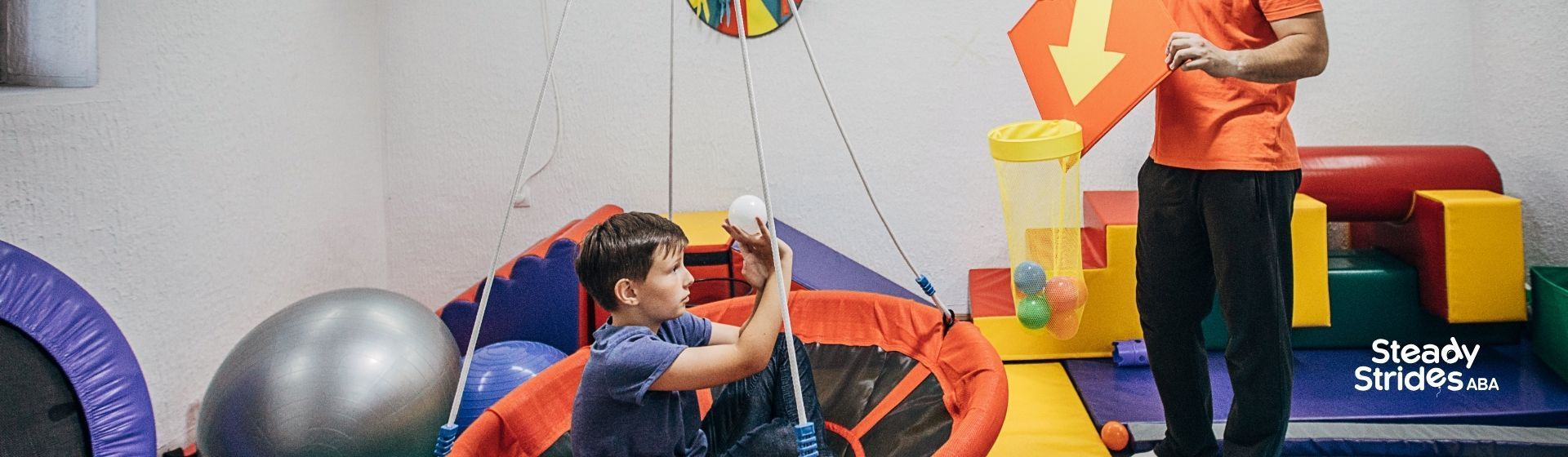
Sensory rooms offer safe environments for visual, auditory, and tactile input. Research shows they improve focus, motor skills, and self-regulation in 80% of sessions.​


Key Benefits


Studies confirm multi-sensory environments decrease activity levels and increase attention when children control stimuli.​ Quiet zones with swings, lights, and textures help kids self-regulate before meltdowns.


At Steady Strides ABA in Texas and New Mexico, sensory rooms integrate into ABA therapy for personalized calm. Reach out now for a tour and custom plan.


FAQs

  • How do sensory rooms reduce overload?

    Controlled stimuli calm sensory processing.

  • Do they improve learning?

    Yes, via better focus and motor skills.

  • Are sensory rooms evidence-based?

    Studies show behavioral improvements.

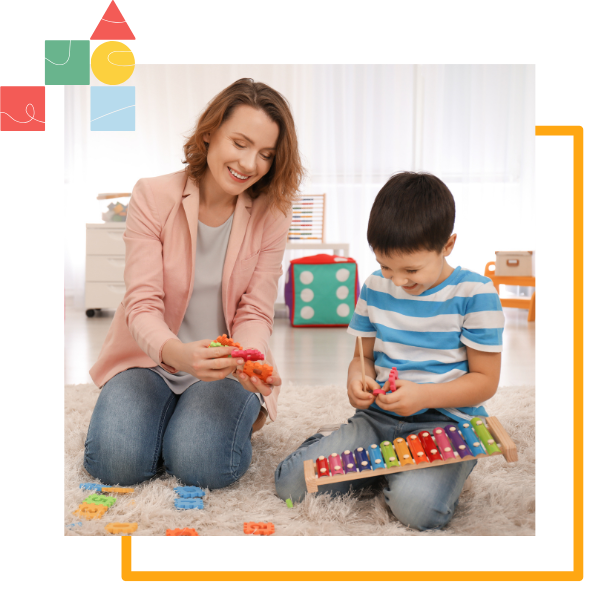
Woman and child playing with blocks and xylophone on a rug; indoors, smiling.

Reading about ABA is one thing. Experiencing your child’s progress is another.

Talk with one of our Board Certified Behavior Analysts (BCBAs) to learn how therapy can help your child grow, communicate, and thrive — at home or in the community.

No commitment required.

Looking for Guidance?

We're Here for You!

Our dedicated professionals are committed to helping your child thrive. Connect with us to learn how our ABA therapy can make a difference.

Get In Touch With Our ABA Experts Today

Autistic toddler sits on a windowsill looking down at a toy, exploring balance and spatial awareness
January 14, 2026
Discover if adults with level 1 autism can live independently, exploring daily challenges, support strategies, and skills that foster confidence and autonomy.
Sad autistic child hugs a teddy bear while looking out a rainy window, expressing loneliness.
January 14, 2026
Explore common autism behaviors such as social challenges, repetitive actions, & sensory sensitivities, & learn how support strategies can improve daily life.
Autistic child works with counting blocks and abacus while focusing on learning activities at a desk
January 14, 2026
Explore the connection between high IQ and autism, including research on cognitive strengths, challenges, & how intelligence impacts individuals on the spectrum
Therapist sit back to back looking stressed while their child runs past, showing emotional faces.
January 14, 2026
Borderline autism in adults refers to mild ASD traits like social or sensory challenges. Learn symptoms, overlaps, and when to seek professional evaluation.
An autistic boy holds up three fingers against bright background, practicing number recognition.
January 14, 2026
Learn the three basic principles of ABA therapy, reinforcement, prompting, & generalization & how they support children with autism in building essential skills
The therapist guides the child using playdough to build fine motor and sensory skills during therapy
January 14, 2026
Learn how ABA therapy helps children with autism improve communication, social skills, & daily living through evidence‑based strategies that foster independence
ABA therapist hands informational cards to a parent during a consultation about child development.
January 14, 2026
Discover top ABA therapy providers near you offering personalized help, evidence‑based strategies, & compassionate care to help individuals with autism thrive.
Therapist helps autistic girl counting with colored sticks during early intervention session.
January 14, 2026
Discover therapy that strengthens communication, social skills, & independence while providing effective behavioral interventions for individuals with autism.
An autistic boy sitting on a couch using a tablet, independent learning, and assistive technology
January 8, 2026
Discover if giving your autistic child an iPad is helpful. Learn benefits, risks, and tips for using technology to support communication and learning.
An autistic boy holding a large clock, representing learning time management and daily routine.
January 8, 2026
Learn the minimum hours recommended for therapy, why consistency matters, & how tailored programs support children with autism in reaching their full potential.
Show More