


Introduction
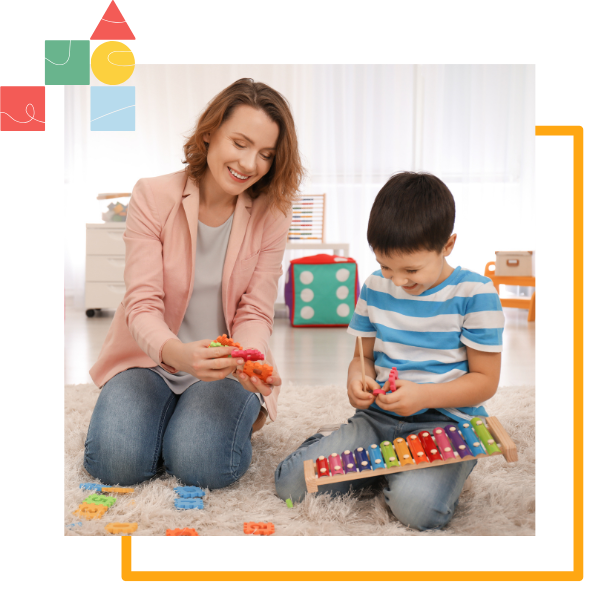
Imagine being able to support your child's development in a comfortable, familiar environment, without long drives to a clinic, without disrupting your family's routine, and with the people your child loves and trusts most actively involved in every step. This is the promise of at-home ABA therapy.
For families across Texas raising a child with Autism Spectrum Disorder (ASD), at-home therapy has become one of the most effective and empowering ways to deliver Applied Behavior Analysis (ABA) services. It transforms everyday moments, mealtimes, bedtime routines, sibling play, into meaningful opportunities for learning and growth. Whether you're a parent just starting your ABA journey, an educator collaborating with therapists, or a professional supporting Texas families, this comprehensive guide will walk you through everything you need to know about how at-home ABA therapy works, why it matters, and how to make it successful.
What Is At-Home ABA Therapy?
At-home ABA therapy refers to structured, evidence-based therapeutic practices delivered in the child's home environment by a Board Certified Behavior Analyst (BCBA) and Registered Behavior Technicians (RBTs), often in close collaboration with parents and caregivers.
While ABA therapy is traditionally associated with clinical settings, a significant portion of therapy can be effectively implemented within the walls of your own home. In-home sessions typically include:
- ABA strategies tailored to the child's individualized treatment plan
- Communication and language development exercises
- Social skills practice with family members
- Daily living and self-care skill-building
- Behavior reinforcement during real-life routines
Unlike center-based sessions, at-home therapy emphasizes consistency, family involvement, and real-world application, making it a powerful complement (or alternative) to center-based services.
Can ABA Therapy Really Be Done at Home?
Yes, and increasingly, it's the preferred option for many families. In-home ABA therapy is becoming more popular because it provides a familiar environment for the child and allows for deeper family involvement throughout the treatment process.
The home offers a unique opportunity to tailor therapy to the child's specific needs in the setting where they spend most of their time. It's the place they feel most comfortable, which can enhance learning and progress. Conducting ABA therapy at home also allows therapists to incorporate everyday activities, such as brushing teeth, setting the table, and getting dressed, into therapy sessions, making the work practical and immediately meaningful.
In-home ABA therapy also offers:
- Flexibility in scheduling around the family's routine
- No travel time to and from external therapy centers
- Use of familiar materials (the child's own toys and resources) instead of unfamiliar clinical tools
- Real-time observation of how the child interacts with family members
That said, in-home ABA therapy isn't the right fit for every child or family. Each child's needs, sensory profile, and goals should be considered when determining the most appropriate therapy setting.
Why At-Home ABA Therapy Matters in Texas
Texas families face unique challenges that make at-home therapy especially valuable:
- Geographic access: In smaller Texas towns like Somerset, Lytle, and Sandy Oaks, families may face limited access to ABA centers. At-home therapy ensures children still receive consistent, high-quality support.
- Insurance coverage: Texas law requires many insurance providers to cover ABA therapy. Families should confirm benefits with their provider and ask therapy centers about direct billing options.
- Diverse family settings: From urban Houston, Dallas, and Austin to rural communities across the state, at-home therapy bridges service gaps and meets families where they are.
- School collaboration: Schools across Texas ISDs often integrate therapy goals into Individualized Education Programs (IEPs). Parents can reinforce these goals at home for stronger, more consistent outcomes.
The Benefits of At-Home ABA Therapy
For Children
- Encourages generalization of skills across natural environments
- Creates a safe, familiar space for learning
- Promotes independence in daily routines
- Reduces anxiety associated with unfamiliar clinical settings
For Families
- Builds parent confidence in supporting developmental goals
- Strengthens parent-child bonds through structured shared activities
- Provides scheduling flexibility around work, school, and siblings
- Allows grandparents, siblings, and other caregivers to participate
For Educators and Therapists
- Offers valuable data on how children apply skills at home
- Strengthens collaboration between families, schools, and clinical teams
- Enables real-time feedback and coaching for parents
How Does ABA Therapy at Home Actually Work?
ABA therapy at home follows a structured, individualized approach designed to promote skill development and reduce challenging behaviors. Here's what the process typically looks like.
Step 1: Individualized Assessment and Goal Setting
A BCBA conducts a comprehensive assessment to understand your child's strengths, challenges, and specific needs. This drives a personalized treatment plan with clear, measurable goals across communication, social skills, daily living skills, and behavior. Goals are revisited regularly, and the plan evolves with your child's progress.
Step 2: Preparing Your Home for Therapy
Creating the right environment is essential. This includes:
- Establishing a daily routine with predictable times for therapy, meals, play, and rest
- Setting up a safe, distraction-free workspace for one-on-one sessions
- Removing potential hazards or competing stimuli
- Organizing materials and reinforcers in a dedicated area
- Collaborating with the therapist on any modifications specific to your child
Step 3: Selecting the Right ABA Therapist
The right therapist makes all the difference. When choosing an ABA provider, consider:
- BACB certifications (BCBA for clinical oversight, RBT for direct delivery)
- Experience working with children with ASD
- Expertise in in-home therapy specifically
- Communication style and rapport with your child and family
- Alignment with your family's values and goals
Involve other family members in the decision, since they'll be active participants in therapy.
Step 4: Implementing Behavior Reinforcement Strategies
Positive reinforcement is the engine of ABA therapy. This involves providing rewards or incentives, verbal praise, tokens, preferred toys, or activities when the child engages in desired behaviors. The therapist works with parents to:
- Identify reinforcers that genuinely motivate your child
- Build a consistent reinforcement system (such as a token economy)
- Deliver reinforcement immediately after the desired behavior
- Gradually fade prompts as the child gains independence
Core ABA Techniques Every Parent Should Know
Parents who understand the core techniques of ABA therapy can extend learning beyond formal sessions and reinforce progress throughout the day.
1. Discrete Trial Training (DTT)
DTT breaks complex skills into smaller, manageable steps. The therapist presents an instruction, prompts the child to respond, and reinforces correct responses. Over time, prompts fade as the child masters the skill independently. DTT is effective for teaching communication, socialization, and daily living tasks.
2. Task Analysis and Chaining
Task analysis breaks a complex skill (like brushing teeth) into sequential steps: wet toothbrush → apply toothpaste → brush each section → rinse → spit. Forward chaining teaches steps in order; backward chaining starts with the last step. Both methods build independence systematically.
3. Functional Communication Training (FCT)
FCT identifies the function behind challenging behaviors (like aggression or tantrums) and teaches the child a more appropriate way to communicate the same need. This may involve gestures, picture cards (PECS), signs, or AAC devices. By replacing problem behaviors with functional communication, FCT improves social interactions and reduces frustration.
4. Natural Environment Teaching (NET)
NET takes advantage of naturally occurring situations to teach skills. A trip to the grocery store becomes an opportunity to practice money skills. A family meal becomes a chance to work on requesting and turn-taking. NET helps children generalize skills to real-world settings.
Practical At-Home ABA Strategies and Activities
Daily Routine Integration
- Use visual schedules for morning and bedtime routines
- Embed therapy goals into everyday tasks like brushing teeth or setting the table
- Reinforce positive behaviors during transitions (a common challenge for children with ASD)
Communication Development
- Practice speech and language exercises during family meals
- Use PECS (Picture Exchange Communication System) for non-verbal children
- Model and reinforce functional requests throughout the day
Social Skills Practice
- Role-play scenarios with siblings (sharing toys, asking for help)
- Schedule structured playdates with clear expectations
- Use board games and pretend play to build turn-taking and cooperation
Sensory-Friendly Activities
- Create a quiet corner with sensory tools (weighted blankets, fidget toys)
- Incorporate balance games, fine motor tasks, and sensory play
- Pair sensory regulation with structured learning moments
At-Home Therapy Approaches
| Therapy Focus | Skill Area | Example Activity at Home | Benefit for Families |
|---|---|---|---|
| ABA Therapy | Behavior & routines | Token reward system | Builds consistency |
| Communication | Language skills | Word games at dinner | Improves expressive and receptive language |
| Daily Living | Self-care & motor skills | Buttoning clothes, setting the table | Promotes independence |
| Social Skills | Peer interaction | Role-play sharing | Strengthens social bonds |
Real-World Example: ABA Therapy in a Texas Home
In one of our sessions with a family in San Antonio, we introduced a daily routine chart for a child with ASD. By pairing ABA strategies with visual schedules and a token reward system, the child successfully transitioned from playtime to homework with significantly fewer meltdowns. Within three weeks, parents reported a 40% reduction in transition-related stress and noticeable gains in their child's independence during morning routines.
This example highlights how structured at-home therapy, when families and therapists collaborate consistently, produces measurable outcomes that extend far beyond the therapy session itself.
Overcoming Common Challenges in At-Home ABA Therapy
Handling Resistance and Non-Compliance
Children with ASD may resist instructions or engage in non-compliant behaviors. ABA therapists use behavior analysis to identify the function behind the resistance, then deploy strategies like functional communication training, token economies, and visual schedules to address it. Consistency, clear expectations, and timely reinforcement are key.
Managing Stress for Parents and Caregivers
The demands of therapy, daily routines, and other responsibilities can be overwhelming. Parents need to:
- Prioritize self-care and rest
- Seek support from family, friends, or professional networks
- Set realistic expectations for progress
- Communicate openly with the BCBA about concerns or stressors
A good ABA team supports parents as well as the child, providing tools for stress management, time management, and effective communication.
Navigating Insurance and Access
Texas law requires many insurance providers to cover ABA therapy, but coverage details vary. Confirm benefits early, ask about prior authorization, and explore direct billing arrangements with your therapy provider. For families in rural areas, in-home therapy may be the most reliable way to access consistent services.
Coordinating with Schools
Many Texas children receive therapy goals embedded in their IEPs. Strong communication between BCBAs, RBTs, teachers, and parents ensures goals reinforce each other across home and school settings, accelerating progress.
Is At-Home ABA Therapy Effective?
Decades of research confirm that ABA therapy is one of the most effective evidence-based treatments for children with ASD, regardless of setting. What makes in-home therapy uniquely powerful is:
- Generalization: Skills learned in the natural environment transfer more easily to other settings
- Family involvement: When caregivers consistently apply ABA strategies, progress accelerates
- Real-world relevance: Therapy targets the skills children actually need in daily life
Effectiveness depends on your child's individual needs, the quality of the treatment plan, and the consistency of implementation. Regular assessments, ongoing communication with the BCBA, and active parent participation are the strongest predictors of meaningful progress.
Insights from Texas ABA Professionals
"In our sessions with families in Houston, we've seen children thrive when parents consistently practice therapy goals at home."
"Educators in Texas ISDs report that students who receive structured at-home therapy show stronger classroom participation."
"ABA therapists emphasize that parent involvement is the single most important factor in long-term success."
Conclusion
At-home ABA therapy is more than an extension of clinical sessions. It's a vital, evidence-based tool that empowers families, educators, and professionals across Texas to support children with autism in the place where they learn best: home. By integrating ABA strategies into daily routines, building strong family-therapist collaboration, and creating a structured, reinforcing environment, parents can transform everyday moments into meaningful opportunities for growth.
The keys to success are clear: choose the right ABA team, prepare your home thoughtfully, learn the core techniques, stay consistent with reinforcement, and celebrate progress at every stage. With the right plan and the right support, your child can build skills that last a lifetime, all from the comfort of home.
At Steady Strides ABA, we provide personalized, in-home ABA therapy across Texas, helping families build real-life skills where they matter most: at home, in school, and in the community. Our compassionate, experienced Board Certified Behavior Analysts (BCBAs) work closely with parents, educators, and caregivers to design individualized treatment plans, deliver ongoing coaching, and empower you to become an active participant in your child's journey.
Whether you're just starting out or looking to strengthen your current approach, we're here to guide you. Take the first step toward meaningful, lasting progress. Contact us today!
Frequently Asked Questions
How Long Does ABA Therapy at Home Typically Last?
The duration of ABA therapy at home varies based on the individual child's needs and progress. Extensive research supports the effectiveness of early intervention, with treatment plans typically lasting for several months or years. The therapy is often incorporated into the child's daily routine to ensure consistency and maximize progress.
Can ABA Therapy Be Effective Without a Professional Therapist?
While ABA therapy is most effective when conducted by a trained ABA therapist, there are ways for parents and family members to incorporate ABA strategies at home. Parent training programs and resources guide the implementation of effective strategies and promote positive behaviors. However, the involvement of a professional therapist is recommended to ensure the highest level of effectiveness and progress.
What do parents do during in-home ABA?
Parents might observe sessions to understand the therapist's techniques, actively participate in practicing those techniques with their child, and implement strategies throughout the day to reinforce learned skills and promote generalization. This collaborative approach helps ensure the therapy's success and empowers parents to support their child's development beyond therapy sessions.
SOURCES:
https://my.clevelandclinic.org/health/treatments/25197-applied-behavior-analysis
https://www.autismspeaks.org/applied-behavior-analysis
https://www.autismparentingmagazine.com/parents-aba-therapy-home/
https://www.appliedbehavioranalysisedu.org/in-home-care/
https://pmc.ncbi.nlm.nih.gov/articles/PMC5621997/