


Introduction
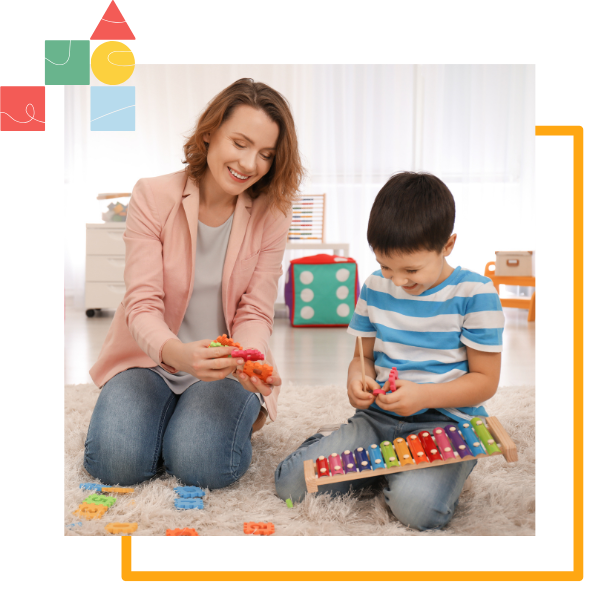
Play and exploration are the foundation of childhood learning. For children with Autism Spectrum Disorder (ASD) and related conditions, play can be both rewarding and challenging. Parents and educators often ask how to make play more meaningful, structured, and supportive. The answer lies in Applied Behavior Analysis (ABA) strategies.
ABA therapy is a science-backed approach that uses reinforcement, structured teaching, and natural environment learning to help children build communication, social, and cognitive skills. In Texas, where families and educators are increasingly seeking practical solutions, ABA strategies for play and exploration are transforming how children engage with the world.
This blog provides a comprehensive guide to ABA play strategies, including case studies, professional insights, and practical tips for families, therapists, and educators across Texas.
Why Play Matters in ABA Therapy
Play is not just fun, it is a critical developmental tool. Through play, children learn to:
- Communicate needs and ideas
- Develop social skills like sharing and turn-taking
- Strengthen cognitive abilities such as problem-solving
- Build motor skills through physical exploration
For children with autism, play can sometimes be limited to repetitive behaviors or solitary activities. ABA strategies help expand play opportunities, making them purposeful and skill-building.
ABA Strategies for Play and Exploration
Structured Play Activities
Structured play involves planned activities with clear goals. ABA therapists design these sessions to teach specific skills. Examples include:
- Turn-taking games: Board games or card games to practice patience and cooperation.
- Role-play scenarios: Pretend cooking, shopping, or doctor visits to build imagination and social interaction.
- Imitation activities: Copying actions with toys to strengthen observational learning.
Natural Environment Teaching (NET)
NET focuses on teaching skills during everyday play and routines. For example:
- Using building blocks to teach colors and counting.
- Practicing communication during snack time play.
- Encouraging exploration in outdoor play settings.
Reinforcement in Play
Positive reinforcement motivates children to engage in play. Examples include:
- Praising a child for sharing toys.
- Offering a preferred toy after completing a task.
- Using token systems to encourage participation.
Social Skills Through Play
ABA strategies help children practice social skills in safe settings:
- Group play sessions with peers.
- Structured playdates with clear goals.
- Guided activities to encourage eye contact and communication.
Case Study: Play-Based ABA in Texas
In our sessions with a family in
Austin, we introduced structured play using a “pretend grocery store.” The child practiced communication by asking for items, social skills by waiting in line, and cognitive skills by sorting foods. Within six weeks, parents reported improved play interactions with siblings and greater confidence in social settings.
Another case in San Antonio involved outdoor play. A child who struggled with transitions was guided through a structured playground routine. By pairing reinforcement with exploration, the child successfully moved from swings to slides with minimal resistance. Teachers later observed smoother transitions in classroom activities.
These examples highlight how ABA strategies transform play into a powerful learning tool.
Benefits of ABA Play Strategies
For Families
- Learn how to integrate therapy into everyday play.
- Strengthen bonds through shared activities.
- Gain confidence in supporting developmental goals.
For Children
- Build communication and social skills.
- Develop independence through exploration.
- Experience success in structured and natural play.
For Educators and Professionals
- Reinforce therapy goals in classroom play.
- Collaborate with families for consistent support.
- Use data-driven insights to track progress.
Table: ABA Play Strategies vs. Unstructured Play
| Feature | ABA Play Strategies | Unstructured Play |
|---|---|---|
| Goal-Oriented | Yes | No |
| Reinforcement | Positive rewards | Inconsistent |
| Skill Generalization | Strong | Limited |
| Parent Involvement | High | Variable |
| Measurable Outcomes | Yes | No |
EEAT Signals: Professional Insights
- “In our sessions with families in Dallas, we’ve seen children thrive when play is structured with ABA strategies.”
- “Educators in Texas ISDs report that students supported with play-based ABA show stronger peer interactions.”
- “Therapists emphasize that play is not just fun, it’s a critical tool for learning and exploration.”
These insights validate the effectiveness of ABA strategies in real-world Texas settings.
Overcoming Challenges in Texas
Insurance Coverage
Texas law requires many insurance providers to cover ABA therapy. Families should confirm with their provider and ask ABA centers about direct billing options.
Access in Rural Areas
Families in smaller Texas towns (e.g., Lytle, Somerset, Sandy Oaks) may face limited access to therapy centers. At-home ABA services ensure children still receive consistent support.
Educator Collaboration
Schools in Texas often integrate therapy goals into Individualized Education Programs (IEPs). ABA therapists collaborate with educators to reinforce these goals at home and in classrooms.
Conclusion
ABA strategies for play and exploration are more than therapeutic techniques, they are pathways to growth, independence, and joy. For families, educators, and professionals in Texas, integrating structured play into daily routines empowers children with autism to thrive in familiar environments. With consistent practice, collaboration, and access to community resources, play-based ABA therapy transforms challenges into opportunities for learning and connection.
At Steady Strides ABA, we believe every child deserves the confidence to explore, play, and grow. Our team provides personalized ABA therapy in Texas designed to strengthen communication, social, and life skills through play.
Take the first step toward empowering your child’s journey. Contact us today!
Frequently Asked Questions
How does ABA therapy use play to improve social skills?
ABA therapists design structured play activities, like role-playing, turn-taking games, and group play, to help children practice sharing, cooperation, and communication in safe, supportive environments.
Can parents apply ABA play strategies at home without a therapist?
Yes. Parents can integrate ABA strategies into everyday play by using reinforcement, visual schedules, and imitation games. Many providers, including Steady Strides ABA, offer parent training to ensure families feel confident applying these techniques.
Is ABA therapy for play and exploration covered by insurance in Texas?
Most insurance providers, including Medicaid, cover ABA therapy services in Texas. Families should confirm coverage with their provider and ask Steady Strides ABA about direct billing options to make therapy more accessible.
SOURCES:
https://en.wikipedia.org/wiki/Individualized_Education_Program
https://www.ebsco.com/research-starters/education/individualized-education-plans
https://www.asha.org/slp/schools/ieps/?srsltid=AfmBOopqP2oc9JBfnPSJRX7GkdYcJU5k9tD2FOGa1ftxOszXJFLWmY3G
https://www.slideshare.net/slideshow/individualized-education-program-43909896/43909896
https://www.researchgate.net/publication/381678173_Individualized_Education_Programs_IEPs_Best_Practices_for_Tailoring_Instruction_to_Meet_Diverse_Learning_Needs