


Key Highlights
Here are the key takeaways about how ABA therapy can support your child:
- ABA therapy is a form of early intervention that helps children on the autism spectrum learn new skills.
- A behavior analyst creates a personalized plan to improve social skills and communication.
- The therapy uses positive reinforcement to encourage helpful behaviors and reduce challenging ones.
- Family involvement is a core part of the process, helping to ensure lasting positive outcomes.
- Scientific evidence supports ABA as an effective way to improve quality of life.
Introduction
If you are a parent or caregiver of a child on the autism spectrum, you are always looking for the best ways to support their growth. Applied Behavior Analysis (ABA) is a widely recognized and effective early intervention designed to help children develop crucial skills. This therapy focuses on improving communication, social abilities, and daily living skills. This guide will walk you through how ABA works and the positive impact it can have on your child and family.
Understanding ABA Therapy and Its Foundations
Applied behavior analysis is rooted in the science of learning and behavior. It is a systematic approach that aims to improve important behaviors and enhance the quality of life for individuals, particularly those with autism spectrum disorders. A trained behavior analyst uses these principles to create a unique plan for your child.
The goal of ABA therapy is to understand how behavior works and how it is affected by the environment. By focusing on proven methods, this therapy helps children learn and grow in meaningful ways. Let’s look closer at what ABA is, its core principles, and its history.
What Is Applied Behavior Analysis (ABA) Therapy?
Applied Behavior Analysis (ABA) therapy is a science-based approach that helps individuals with autism learn and develop. It focuses on understanding behavior and using that knowledge to teach helpful skills and reduce challenging actions. A behavior analyst will observe your child to understand their unique strengths and needs before creating a personalized plan.
So, how does ABA therapy work? It uses positive reinforcement, which means rewarding desired behaviors to encourage your child to repeat them. For example, if a child successfully communicates a need, they might receive praise or a favorite toy. This makes learning a positive and motivating experience.
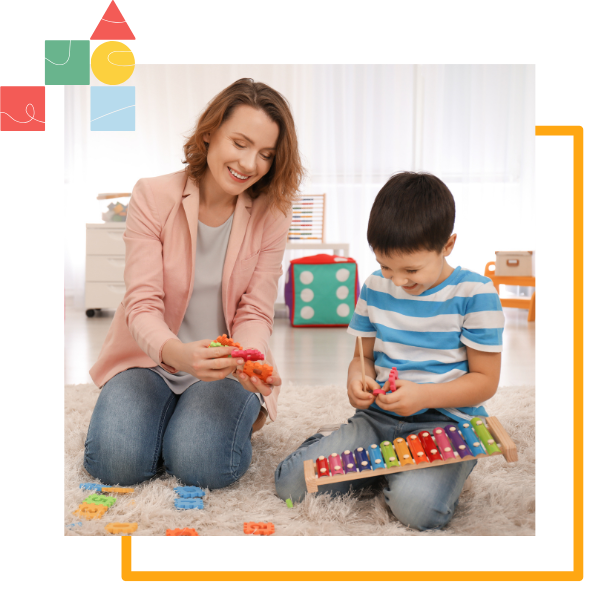
A typical ABA therapy session is structured but can also be play-based to keep your child engaged. Sessions might involve one-on-one activities that break down complex skills into small, manageable steps. The goal is to make learning fun and effective, helping your child build confidence and independence in the real world.
Principles and Methods Used in ABA
The core of ABA therapy lies in its principles, with positive reinforcement being one of the most important. This technique involves rewarding your child immediately after they demonstrate helpful behavior, which makes them more likely to use that behavior again. This method is a powerful tool for encouraging lasting behavior change.
Various ABA techniques are used to support your child’s learning. A behavior analyst might use methods like Discrete Trial Training (DTT), which breaks skills into small parts, or Natural Environment Teaching (NET), which teaches skills in everyday situations. This behavioral intervention is always tailored to your child.
Through ABA, your child can gain specific skills, including:
- Expressing their needs and wants
- Following directions
- Engaging in conversations
- Sharing and taking turns
- Self-care tasks like brushing teeth
This flexible approach ensures that the therapy is relevant and effective for your child. The key is to create a supportive environment where new skills can be learned and practiced.
History and Scientific Support for ABA Therapy
ABA therapy has a long history of scientific support and has been recognized as an effective treatment since the 1960s. Esteemed organizations like the US Surgeon General and the American Psychological Association endorse it as an evidence-based practice for individuals with autism. This backing comes from decades of research showing its ability to produce positive outcomes.
Studies consistently show that early and intensive intervention leads to significant improvements in communication, social skills, and daily functioning. Research highlights that many children who start ABA therapy at a young age make substantial gains. The therapy's success is based on its systematic and data-driven approach, which allows therapists to track progress and adjust plans as needed.
While some have raised concerns about older, rigid methods, modern ABA has evolved to be more child-led and play-based. The focus is on a compassionate approach that respects the individual while working toward meaningful goals.
| Study Focus | Findings | Implications |
|---|---|---|
| Early Intervention | Significant improvements are seen when therapy begins before age 6. | This is critical for developmental milestones and long-term success. |
| Long-Term ABA Engagement | Many children remain in services for 12 months or more. | This indicates potential for sustained growth and skill acquisition. |
| Adaptive Skills Benefits | Children with severe impairments show meaningful gains. | This emphasizes the importance of tailored approaches for individual needs. |
How ABA Therapy Works for Children with Autism
When you begin ABA therapy, the process is designed to be thorough and centered around your child’s unique needs. A behavior analyst works closely with you to understand your child's strengths and challenges on the autism spectrum. This collaboration is key to creating an effective ABA treatment plan that promotes growth and learning.
The therapy is not a one-size-fits-all solution. Instead, it is a dynamic process that adapts as your child develops new skills and reaches new milestones. The following sections will explain how ABA addresses behaviors, the steps involved in implementation, and how plans are customized.
How ABA Addresses Challenging Behaviors
One of the key goals of ABA therapy is to reduce problem behaviors that interfere with learning and daily life. A therapist starts by identifying the function of a behavior—in other words, why it is happening. Understanding the trigger helps in developing an effective behavior intervention plan.
Instead of just stopping a behavior, ABA focuses on teaching a replacement. For example, if a child has a tantrum because they cannot express their needs, the therapy will focus on teaching functional communication skills. This behavioral intervention uses positive reinforcement to reward the new, more appropriate way of communicating.
This approach is always customized to your child.
The strategies used will depend on their specific challenges and goals. Common goals include:
- Reducing tantrums or aggression
- Increasing cooperation with requests
- Teaching appropriate ways to get attention
Steps in Implementing ABA for Children
The first step in starting an ABA treatment is a comprehensive assessment conducted by a certified behavior analyst. This evaluation helps identify your child’s current skill levels, strengths, and areas that need support. This information is used to create a detailed and individualized treatment plan.
Once the plan is in place, regular therapy sessions begin. These sessions are carried out by trained behavior technicians under the close supervision of the behavior analyst. The sessions are designed to be engaging and are often a mix of structured activities and play-based learning to keep your child motivated.
The process of implementing ABA therapy typically involves these steps:
- An initial assessment to understand the child's needs.
- Development of a personalized treatment plan with clear goals.
- Ongoing therapy sessions with a behavior technician.
- Regular monitoring and adjustments to the plan by the behavior analyst.
Customizing ABA Plans for Individual Needs
A core strength of ABA therapy is its ability to be completely customized to your child’s unique needs. A Board Certified Behavior Analyst (BCBA) designs every aspect of the treatment plan to align with your child’s specific goals, preferences, and learning style. This ensures that the therapy is both effective and meaningful for them.
The plan is not set in stone. It is a flexible guide that evolves as your child makes progress. The BCBA continually assesses your child's development and updates the goals to ensure the therapy remains challenging and relevant. This commitment to meeting the individual needs of each child is what makes ABA so successful.
This level of personalization means that no two ABA programs are exactly alike. Whether your child needs to work on communication, social skills, or reducing challenging behaviors, the plan is built around their specific situation. This focus on the needs of each child helps them achieve the best possible outcomes.
Key Benefits of ABA Therapy for Children with Autism
The benefits of ABA therapy for autistic children are wide-ranging and can have a profound impact on their development. This therapy helps build essential life skills, leading to greater independence and more positive outcomes. It provides a structured framework for learning that can be adapted to any child.
By focusing on areas like communication skills, social skills, and daily living skills, ABA gives your child the tools they need to navigate the world more effectively. Let's explore some of the key areas where children can see significant growth.
Building Communication and Social Skills
Improving communication skills is a major focus of ABA therapy. The therapy helps children develop both expressive language (speaking) and receptive language (understanding). By breaking down these skills into small steps, children can learn to express their wants and needs, which is a form of functional communication.
ABA also helps children understand and respond to social cues, such as facial expressions and tone of voice. This can make social interactions much less confusing. Therapists create structured opportunities for your child to practice these social skills in a supportive environment, helping to build their confidence.
Here are some of the social communication skills your child can learn:
- Making eye contact
- Taking turns in conversation and play
- Sharing with others
- Joining in group activities
- Understanding non-verbal cues
Enhancing Independence and Daily Living Skills
A primary goal of ABA therapy is to foster independence by teaching essential daily living skills. These are the adaptive skills we all need for everyday life, and learning them can greatly boost your child’s confidence and self-sufficiency. The therapy uses a step-by-step approach to make learning these tasks manageable.
Treatment goals are often set around skills that will have the biggest impact on your child's independence. Whether it's at home, school, or in the community, these new abilities empower your child to participate more fully in life. Progress is made at your child's own pace, ensuring they feel successful along the way.
Examples of daily living skills taught in ABA include:
- Personal hygiene, like brushing teeth and washing hands
- Getting dressed independently
- Following a simple recipe or making a snack
Improving Focus, Academics, and Emotional Regulation
ABA therapy can also help your child improve their focus and attention, which are crucial for learning academic skills. By using structured teaching methods and positive reinforcement, therapists can help your child stay on task longer and absorb new information more effectively in a school setting.
Another important area is emotional regulation. ABA can teach your child to recognize their feelings and develop strategies to manage them healthily. This can lead to fewer outbursts and a greater sense of control for your child. Therapists track your child’s progress to ensure the strategies are working.
Through ABA, your child can develop new skills in these areas:
- Staying seated and attending to a task
- Completing homework or classroom assignments
- Learning coping strategies for frustration or anxiety
Family Involvement in the ABA Process
Family involvement is not just encouraged in ABA services, it is essential. When family members participate, the skills your child learns in therapy can be reinforced at home, leading to faster and more consistent progress. Your participation helps create a supportive environment for your child to thrive in.
This collaborative approach can lead to many positive changes, not just for your child but for the entire family dynamic. Understanding the ABA process and your role in it empowers you to be an effective partner in your child’s development, as many parents' experiences show.
The Role of Parents and Caregivers in ABA
As parents and caregivers, you play a vital role in the success of ABA services. Your involvement ensures that the learning doesn't stop when the therapy session ends. The therapy team will often provide training so you can use the same techniques at home to support your child's progress.
This partnership helps create consistency between different settings, which is key for your child. When everyone is on the same page, your child is more likely to generalize their new skills to everyday situations. Your active participation makes you a co-therapist in your child’s journey.
Many parents find that their involvement in ABA is empowering. It provides them with practical tools to handle challenging situations and celebrate small victories. This hands-on role helps you feel more connected to your child's development and confident in your ability to support them.
Positive Changes in Family Dynamics
When a family becomes actively involved in ABA therapy, it can bring about many positive changes in family dynamics. As you learn strategies to manage problem behaviors, daily stress levels can decrease for everyone in the household. This can create a more peaceful and predictable home environment.
Parents often report that ABA gives them a better understanding of their child's behavior. This new perspective can strengthen the parent-child bond and foster more positive interactions. Instead of feeling helpless, you become equipped with tools to navigate challenges in everyday life together.
As your child learns new communication and social skills, they are better able to express their needs and participate in family activities. This increased connection and reduced frustration can improve relationships among all family members, making daily life more enjoyable for everyone.
Parent Experiences and Success Stories
Many parent experiences highlight the transformative power of ABA therapy. Success stories often speak of the incredible positive outcomes that families witness. Parents frequently share how therapy has opened up a new world of communication for their child, allowing them to express themselves for the first time.
These stories are a testament to the benefits of ABA therapy. A common theme is the joy of seeing a child achieve a milestone that once seemed out of reach, whether it's making a friend, learning to dress themselves, or simply being able to join in a family conversation.
Here are some common themes from parent success stories:
- A nonverbal child begins to use words to ask for what they want.
- A child who struggled with social anxiety starts to enjoy playing with peers.
- Tantrums decrease as a child learns to communicate their feelings.
- A family feels more connected and less stressed in their daily life.
Conclusion
ABA therapy serves as a transformative approach for children with autism, focusing on building essential skills and improving behaviors. By emphasizing family involvement and customization of therapy plans, it fosters a supportive environment that can lead to significant growth in communication, independence, and emotional regulation. Parents and caregivers play an integral role in this process, enhancing not only their children's development but also strengthening family dynamics.
At Steady Strides ABA, we are serving families, and our services is to specialize in compassionate, evidence‑based ABA therapy in Texas that is tailored to each child’s unique needs. Our team partners with parents, educators, and professionals to ensure meaningful progress.
Take the first step toward steady strides in your child’s development. Contact us today!
Frequently Asked Questions
What does a typical ABA therapy session look like for a child with autism?
A typical ABA therapy session is structured yet fun, combining play-based activities with targeted learning. A behavior analyst designs the therapy sessions to meet your child’s needs on the autism spectrum, breaking down skills into manageable steps. The focus is on keeping your child engaged and motivated while working toward their goals.
Why do experts recommend ABA therapy as an effective treatment for autism?
Experts recommend ABA therapy because decades of research have shown it leads to positive outcomes for individuals on the autism spectrum. As a form of early intervention, it is highly effective at teaching communication, social, and life skills. A behavior analyst uses data to ensure the treatment is working and producing meaningful results.
Are there any misconceptions or controversies about ABA therapy for children with autism?
Yes, there are some controversies surrounding ABA therapy. Critics point to its history, where some methods were rigid and focused on making children with autism conform. However, modern behavioral intervention has evolved to be more compassionate, child-led, and focused on improving quality of life while respecting the individual.
SOURCE:
https://www.icanotes.com/2022/06/15/aba-therapy-for-adhd/
https://my.clevelandclinic.org/health/treatments/25197-applied-behavior-analysis
https://pmc.ncbi.nlm.nih.gov/articles/PMC11487924/
https://www.cdc.gov/autism/treatment/index.html
https://www.uc.edu/news/articles/uco/four-benefits-of-applied-behavior-analysis-therapy-when-treating-children-with-autism.html