Do Autistic Kids Need Sensory Rooms? An Honest Look at What Actually Helps
Introduction
If you've come across the idea of sensory rooms for autistic kids and are wondering whether you need to set one up at home, here's something worth knowing first: not all autistic kids need sensory rooms. Some benefit substantially. Many do fine with simpler accommodations. A few find dedicated sensory spaces themselves overstimulating. And the dedicated rooms you may have seen, with bubble tubes, fiber optic lights, swings, and specialized equipment, are expensive, often unnecessary, and not the only way to support sensory regulation.
This piece walks through what sensory rooms actually offer, who tends to benefit, what the evidence shows, and the simpler accommodations that often work just as well at a fraction of the cost.
What Sensory Rooms Are
The term "sensory room" covers a few different things:
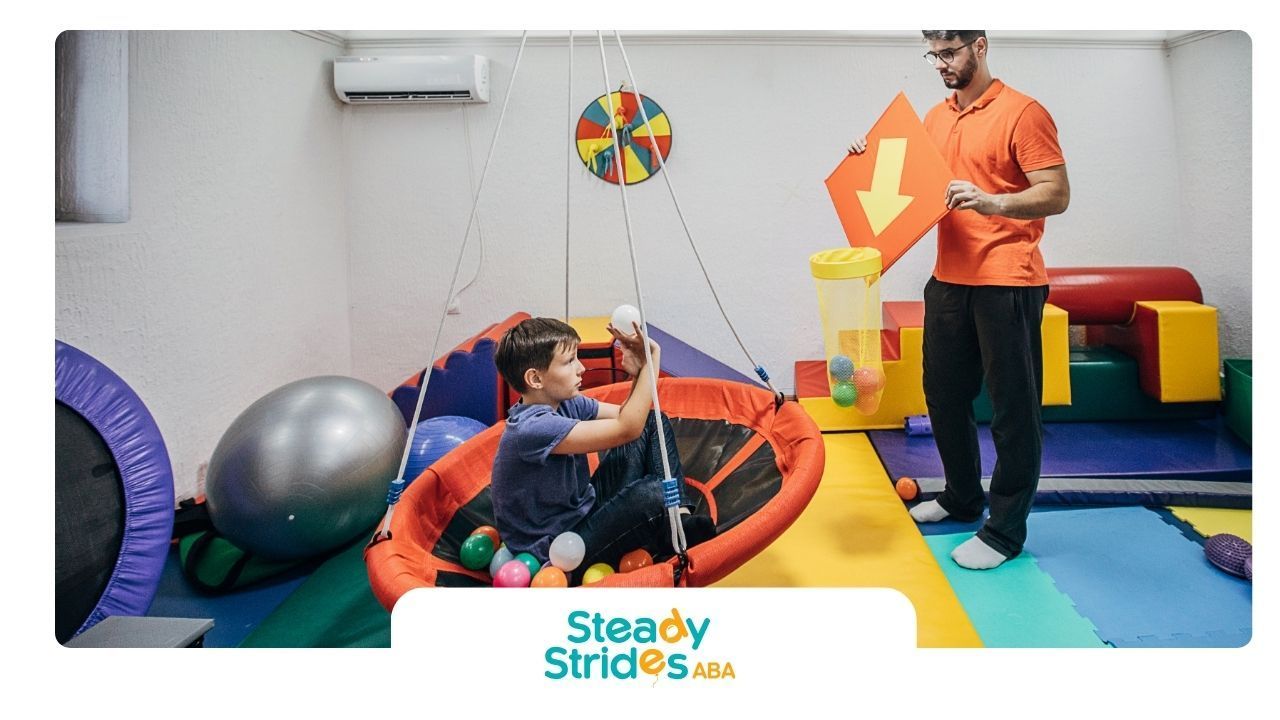
Clinical sensory rooms (sometimes called Snoezelen rooms or multi-sensory environments) are dedicated spaces designed for sensory regulation. They typically include adjustable lighting, sound options, tactile materials, and equipment like swings, weighted items, or bubble tubes. These are common in schools, therapy clinics, and specialized facilities.
School sensory rooms or sensory corners are smaller versions found in many schools, often with calming colors, soft seating, fidget tools, and reduced sensory input compared to typical classrooms.
Home sensory spaces range from dedicated rooms with specialized equipment to small corners with a few sensory tools, beanbags, weighted blankets, fidget items, and noise-canceling headphones.
Sensory tools and accommodations in general, items like noise-canceling headphones, weighted lap pads, fidget tools, chewable jewelry, swings, or trampolines, provide sensory input without requiring a dedicated room.
Each level has different costs and serves different purposes.
Who Tends to Benefit
For autistic kids who do benefit from sensory rooms or sensory accommodations, the patterns usually include:
Significant sensory regulation challenges. Kids whose nervous systems regularly become overwhelmed by typical environments, bright lights, sustained noise, and busy social settings often benefit from dedicated calming spaces.
Specific sensory profiles. Some kids need substantial proprioceptive input (deep pressure, weighted items, climbing) to regulate. Others need vestibular input (swinging, spinning, movement). Others need to dramatically reduce input. Knowing the specific profile matters.
Regular pattern of overwhelm. Kids who reach overload daily or multiple times daily often benefit from having a consistent calming space they can access.
Sensory-seeking behaviors that need safe outlets. Kids who crash into furniture, climb dangerously, or seek intense sensory input may benefit from structured ways to meet those needs safely.
Anxiety or transition difficulties. Kids who use sensory spaces as recovery zones between demanding activities, school, social events, and therapy often integrate them well.
For these children, a thoughtfully designed sensory environment (not necessarily a fully-equipped clinical room) can support meaningful regulation improvements.
Who Doesn't Need One
Equally important to name:
Kids with mild or no sensory regulation challenges don't need dedicated sensory spaces. Many autistic kids regulate well in typical environments with minor accommodations or none at all.
Kids who find busy sensory environments overstimulating themselves. Some autistic kids find the visual complexity of typical sensory rooms, bubble tubes, fiber optic lights, and varied textures overwhelming. For them, quiet spaces with minimal input often work better than equipment-rich sensory rooms.
Kids whose regulation needs are met by other approaches. Some kids regulate well through outdoor time, physical activity, specific routines, or quiet alone time without specialized environments.
Most autistic kids whose families are considering whether to invest substantially in equipment. The honest answer for most families: probably not. Simpler accommodations usually work.
What the Evidence Actually Shows
This is where the original version of this article overstated things. The research on sensory rooms and multi-sensory environments is genuinely mixed.
Some research has documented benefits, improved focus, reduced stress markers, and increased engagement for some children in some contexts. Other research has found minimal benefit, particularly when sensory rooms are positioned as treatment for autism rather than as one tool among many.
A 2012 systematic review (Lang et al., Research in Autism Spectrum Disorders) examined multi-sensory environment interventions for autism and found the evidence base limited, with study quality varying widely. Subsequent research has continued to produce mixed findings.
The honest framing: sensory rooms can help some children, in some situations, when integrated thoughtfully with other supports. They're not a universally evidence-based intervention for autism, and not the primary intervention for sensory differences. Occupational therapy with sensory integration training has a stronger research base for assessing and addressing sensory regulation needs.
Occupational Therapy: The Right Specialty
For sensory regulation patterns, whether through sensory rooms or other accommodations, occupational therapy (OT) with sensory integration training is the most directly relevant specialty. An OT can:
- Assess your child's specific sensory profile (which inputs they seek, which they avoid, which they tolerate)
- Identify what kinds of accommodations actually fit your specific child
- Recommend appropriate sensory tools and environmental modifications
- Train families in supporting sensory regulation at home
- Update recommendations as your child's needs change}
Working with an OT before investing in specialized sensory equipment usually saves money and produces better-targeted accommodations. The OT can identify whether your specific child benefits from sensory room–type environments or whether simpler accommodations would work as well.
For more on the broader sensory experience, see our piece on what overstimulation feels like in autism.
More Affordable Alternatives
For families considering whether to invest in dedicated sensory rooms, several lower-cost approaches often work just as well for most needs.
A Calming Corner
A small space, even just a corner of a bedroom, set up with a few key items:
- Soft seating (beanbag, floor cushion, small tent)
- Reduced sensory input (curtain or canopy to limit visual stimulation, optional dim lighting)
- A small selection of preferred sensory tools (fidget items, weighted lap pad, noise-canceling headphones)
- Items the child finds regulating (favorite book, comfort item, etc.)
This often serves the same function as a full sensory room at a fraction of the cost.
Sensory Tools Without a Dedicated Space
A box or bag of sensory tools the child can use anywhere:
- Noise-canceling headphones for sound-sensitive moments
- Fidget items for tactile regulation
- Weighted lap pad for proprioceptive input
- Chewable jewelry if oral input helps
- A compression vest if deep pressure helps
These travel with the child to school, family events, and other environments where regulation may be needed.
Outdoor Sensory Engagement
For many kids, outdoor environments provide the sensory input they need more efficiently than indoor sensory rooms. Parks, playgrounds, backyards, and walks offer proprioceptive input (climbing, running), vestibular input (swings, slides), and varied sensory experiences naturally.
Scheduled Sensory Breaks
Built into the day rather than relying on the child to identify needs. Movement breaks before sitting tasks, quiet time after busy activities, and predictable sensory input opportunities. These prevent overwhelm rather than waiting for it to happen.
Environmental Modifications at Home
Reducing the constant sensory load on the child:
- Quieter background environments, where possible
- Dimmer lighting in the evenings
- Soft textures for clothing and bedding
- Predictable routines that reduce uncertainty
- Reduced visual clutter in primary living spaces
For many children, ongoing environmental modification supports regulation better than periodic access to a sensory room.
When a Sensory Room Makes Sense
For families weighing whether to invest in a more developed sensory space:
An OT has specifically recommended it for your child, based on their sensory profile assessment.
Your child has significant sensory regulation needs that haven't been met by simpler accommodations.
You have the space and budget to develop the environment thoughtfully, rather than feeling pressured into significant investment.
Your child responds well to sensory-rich environments rather than finding them overstimulating.
You're integrating it into a broader plan that includes OT, accommodations at school, and other supports, not treating it as the primary intervention.
For families where these conditions don't apply, simpler accommodations are usually equally effective and substantially more accessible.
A Note on ABA Scope
Sensory regulation isn't typically an ABA goal. Occupational therapy is the discipline trained to assess sensory profiles and recommend accommodations. ABA may support broader skills that interact with sensory regulation (functional communication around sensory needs, daily living skills, etc.), but ABA shouldn't be marketed as the primary support for sensory differences. If your child's main concerns are sensory regulation, an OT evaluation is usually the right first step rather than ABA.
For more on evaluating ABA scope honestly, see our guide to recognizing red flags in ABA therapy.
Conclusion
The most useful shift on this topic is from "do autistic kids need sensory rooms" to "what does my specific child's sensory profile actually call for?" Some kids benefit substantially from dedicated sensory environments. Many do well with simpler accommodations. A few find sensory rooms overstimulating. The variation across autistic kids is significant, and treating any single intervention as a universal need misses what individual children actually require.
At Steady Strides ABA, we work with autistic children across Texas, and for sensory regulation patterns specifically, we coordinate with occupational therapists rather than positioning ABA as the primary intervention.
If you'd like to talk through what kind of support might fit your specific child, contact us for a conversation with a BCBA.
Frequently Asked Questions
Do all autistic kids need sensory rooms?
No. Some autistic kids benefit substantially; many don't need dedicated sensory rooms; some find them overstimulating. Whether a sensory room makes sense depends on your specific child's sensory profile and regulation needs. An occupational therapist with sensory integration training can assess this and recommend what fits, which may be a dedicated sensory space, simpler accommodations, or no specific environmental modification.
What does the research actually show about sensory rooms?
The evidence is mixed. Some research shows benefits for some children in some contexts; other research finds minimal benefit. A 2012 systematic review (Lang et al.) found the evidence base limited, with variable study quality. Sensory rooms can help some children, but they're not a universally evidence-based intervention for autism, and they're not the primary intervention for sensory regulation challenges. Occupational therapy with sensory integration training has a stronger evidence base for assessing and addressing sensory needs.
Do I need to spend thousands of dollars on specialized equipment?
For most families, no. Many of the benefits attributed to sensory rooms can be achieved through much simpler and more affordable approaches: a calming corner with basic tools, sensory items the child can use anywhere, environmental modifications at home, scheduled sensory breaks, and outdoor sensory engagement. Working with an occupational therapist before investing in expensive equipment helps target accommodations to what your specific child actually needs.
When should a child have a sensory room?
When an occupational therapist has specifically recommended it based on assessing the child's sensory profile, when simpler accommodations haven't met the child's needs, when the child has significant and persistent sensory regulation challenges, when the family has space and resources without strain, and when it's being integrated into a broader support plan rather than treated as the primary intervention. For most families, these conditions don't all apply, and simpler approaches work better.
What if my child finds typical sensory rooms overstimulating?
This is genuinely common and worth taking seriously. Many autistic kids find the visual complexity of typical sensory rooms, bubble tubes, fiber optic lights, and multiple texture options overwhelming. For these kids, quiet spaces with minimal input often work much better than equipment-rich sensory rooms. A "low-input" calming space (dim lighting, soft seating, minimal visual stimulation, quiet) may be the right approach. Your child's reaction to environments is information about what they actually need, regardless of what's traditionally been marketed as "sensory-friendly."
Can ABA therapy address sensory needs?
Sensory regulation isn't typically an ABA goal. Occupational therapy with sensory integration training is the discipline trained to assess sensory profiles and recommend accommodations. ABA may support specific skills that interact with sensory regulation (communicating sensory needs, building daily routines that include sensory breaks, etc.), but ABA shouldn't be marketed as the primary intervention for sensory differences. If your child's main concerns are sensory-related, requesting an OT evaluation rather than (or in addition to) an ABA evaluation is usually appropriate.