

Finding the right support for your child with autism can be hard. Many families go for ABA therapy because it is popular, but others look for alternative therapies for different reasons. They might want new methods or have concerns about ethics. This guide will show you different options besides ABA therapy for autism. It will help you make smart choices for your child’s well-being.
Exploring Alternatives to ABA Therapy
When you want the best fit for your child, it's important to remember that not every therapy works for everyone. Autism shows itself differently in each child. That’s why a personalized approach matters.
There are many types of therapies and interventions available. They can help autistic individuals by focusing on their strengths and specific needs. Now, let’s look at some interesting options besides ABA therapy.
1. Cognitive Behavioral Therapy (CBT)
Cognitive Behavioral Therapy, or CBT, is a well-known method. It looks at how thoughts, feelings, and actions are linked. This method is especially helpful for people with autism. It helps them develop communication skills. By focusing on cognitive functions and behaviors, CBT aids autistic children in handling their emotions better. It also supports their overall well-being. This type of therapy is a great way to help those with autism understand and manage their feelings well.
2. Floortime Therapy
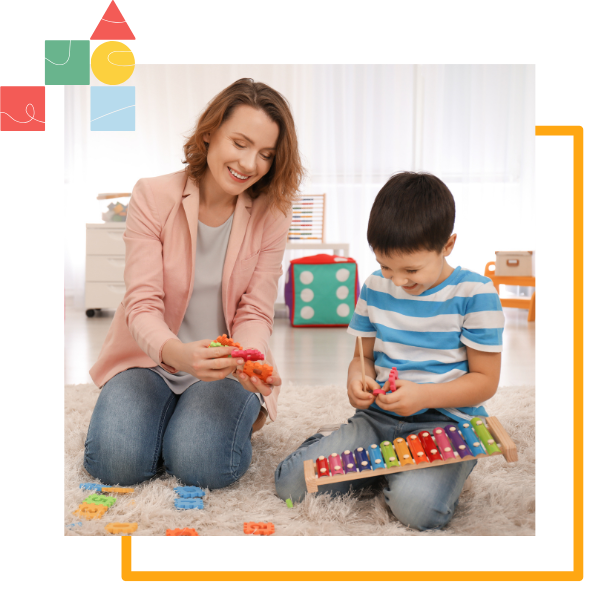
Floortime therapy, also called DIR/Floortime, focuses on creating strong relationships and communication through play. Therapists and caregivers work with the child in a way that suits them, promoting social interaction and emotional connections.
This approach puts the child in charge and makes learning fun. Kids can build social skills, communication, and emotional regulation at their own speed. Floortime sessions are lively and interactive, using the child's interests to help them grow.
3. Music Therapy
Music therapy uses music to build emotional connections, improve communication, and enhance motor skills in autistic individuals. Music therapists try different methods, like singing, playing instruments, and listening to music, to engage people and reach therapy goals.
For many, music serves as a great tool for expressing emotions without words. Also, music therapy can boost focus, attention, and coordination, leading to a more complete therapeutic experience.
4. Play Therapy
Play therapy uses play, which is a natural way for children to communicate. It helps them express their feelings, build social skills, and deal with challenges. In therapy sessions, trained therapists watch how the child plays. They use this to understand what’s going on in the child’s mind.
Through play, children can safely act out different situations and show their emotions. They also practice ways to cope with their feelings. This therapy offers a caring space for improving emotional skills. It can be especially helpful for kids who find traditional talk therapy hard.
5. Relationship Development Intervention (RDI)
Relationship Development Intervention, or RDI, focuses on creating strong emotional connections and helping with social skills in people with autism. Unlike ABA, which looks mainly at behavior, RDI works to improve thinking skills and build relationships. By making activities fit individual needs, RDI helps kids grow their emotional skills and build real relationships. This type of therapy sees growing emotional regulation and social skills as key parts of both thinking and feeling better. This makes RDI a useful option compared to regular behavioral therapies.
6. Social Skills Groups
Social skills groups give autistic kids and teens a safe place to meet friends and work on important social skills. These groups are led by therapists or trained professionals. Here, kids can learn and practice communication skills, take turns, understand social cues, and manage friendships.
These groups help create a supportive atmosphere. They allow autistic individuals to gain confidence, lessen social anxiety, and form real connections.
7. Sensory Integration Therapy
Sensory integration therapy helps people with autism who have trouble processing sensory information. Some might be overly sensitive or not sensitive enough to things like textures, sounds, or lights. This can cause discomfort, anxiety, or problems with behavior.
Occupational therapists who focus on sensory integration make tailored plans to help improve sensory processing. They use different activities and techniques in therapy. The goal is to enhance sensory processing, motor skills, and the ability to feel comfortable in daily life.
8. Occupational Therapy
Occupational therapy aims to improve daily living skills, fine motor skills, and coordination for people with autism. It helps them manage everyday tasks like getting dressed, eating, writing, and playing.
Occupational therapists look at what each person needs. They then make a special plan to boost their skills, change their surroundings, and offer helpful tools. By supporting independence, occupational therapy helps individuals join in daily life more actively.
9. Speech Therapy
Speech therapy is very important for autistic children who struggle with communication skills. Speech-language pathologists help them improve both their talking and their non-talking ways to communicate. This can involve learning to speak better, using sign language, or using picture cards. It can also help them get better at social communication.
With speech therapy, an autistic child can share their needs, join in conversations, and form better relationships.
10. Art Therapy
Art therapy provides a special way to express feelings and communicate. It uses art as the main method for expression. For some autistic people, art is a strong tool for showing emotions, tapping into their creativity, and improving cognitive development.
Art therapists help individuals use different art supplies and techniques to express themselves better. They also assist in processing emotions and finding ways to cope. This type of therapy can be especially useful for those who find regular talk therapy difficult.
Understanding the Benefits of Each Alternative
Each option to ABA therapy has its own strengths and benefits. Some focus more on building relationships and emotional bonds. Others pay more attention to skill development or controlling sensory experiences.
It is important to understand that every child grows in their own way. When looking at the benefits of a therapy, you should keep in mind the specific needs of the child and what the family prefers.
Benefits of Cognitive Behavioral Therapy (CBT)
Cognitive Behavioral Therapy (CBT) provides important benefits for people who want other choices besides ABA. It helps change negative thoughts and behaviors. It also supports emotional regulation and social skills. CBT works well to improve cognitive functions and build emotional connections. By customizing interventions for individual needs, CBT helps autistic people handle their challenges better. This ethical choice offers a great way to approach behavioral analysis with support and positivity. You should think about CBT as a good option for cognitive and emotional growth instead of ABA.
Advantages of Floortime Therapy
Floortime therapy focuses on the child. It encourages happy interactions and helps kids form strong bonds with their caregivers. When children engage in playful activities, they naturally grow in their social skills, communication, and emotional regulation.
The sessions of floortime therapy are caring and fun, creating a warm space for growth. This type of therapy highlights the need to follow the child's lead. It turns playtime into important learning moments.
How Music Therapy Supports Autistic Individuals
Music therapy brings together fun and helpful benefits for autistic people. It can reach emotions, boost communication, and improve motor coordination. Music is a way to find comfort, joy, and balance for those with sensory sensitivities, creating a relaxing and enjoyable time.
Also, music therapy opens doors for social interaction, especially in group sessions. This helps create a feeling of connection and shared experience.
The Role of Play in Therapeutic Settings
Play is very important for a child's growth. In therapy, it is a strong tool to help with emotional and social issues. Through play therapy, kids can share their thoughts, deal with their feelings, and practice social skills in a safe space.
It helps boost their imagination, creativity, and emotional growth. Expert therapists use play to connect with the child, understand them better, and help bring about positive changes.
Effectiveness of Relationship Development Intervention
Relationship Development Intervention (RDI) sees strong relationships as the key to social and emotional health. This therapy helps build healthy and happy connections between autistic individuals and their caregivers, family, and friends.
RDI provides tools for people and their guardians. These tools help them communicate well, understand how others feel, and handle social situations better. Through tailor-made programs, RDI meets each person's needs and encourages important social interactions.
Conclusion
In conclusion, looking at different options besides Applied Behavior Analysis (ABA) therapy gives people many choices for support. Each kind of therapy, like Cognitive Behavioral Therapy and Art Therapy, has its own benefits that can meet different needs and tastes. Knowing these choices helps parents, caregivers, and individuals make smart decisions that fit their goals and values. When you think about these therapies, keep in mind that it's important to tailor the approach to the person’s situation and needs. If you're unsure about the best way to go, ask professionals for help in finding the right therapy. A well-rounded view of therapy can lead to real growth and development.
At Steady Strides ABA, serving families across Texas, we understand that parents may explore various therapeutic approaches for their children with autism. While our expertise lies in providing high-quality, evidence-based Applied Behavior Analysis, this article offers a broader perspective on alternative and complementary interventions. Our commitment at Steady Strides ABA is to providing comprehensive support and collaborating with families to determine the most effective and individualized path for their child's development. We believe in open communication and ensuring families are well-informed about all available options. While we are confident in the proven outcomes of ABA, we also recognize the importance of exploring different approaches and integrating strategies that best meet each child's unique needs and family preferences in Texas.
Frequently Asked Questions
How do I choose the right therapy for my child?
Choosing the best therapy begins by knowing your autistic child's unique needs and likes. Talk to experts and look into various therapies. Always focus on your child's comfort and interest while making their treatment plan. Your role as their caretaker is very important in this journey.
Can these therapies be combined with ABA?
Some families choose only ABA therapy alternatives. But using different therapies together can give a better overall plan. Talk with your child's care team about how accessible these therapies are and how to combine them. This will help you find the best way to support your child while making sure to include ethical alternatives.
Are there therapies suitable for adults with autism?
Many alternative therapies can work well for autistic adults. It's important to customize the therapy session and treatment plan to fit their individual needs. You should also think about how accessible these therapies are in your area.
Source:
https://www.autismspeaks.org/applied-behavior-analysis
https://www.apa.org/ptsd-guideline/patients-and-families/cognitive-behavioral
https://www.autismspeaks.org/relationship-development-intervention-rdi
https://www.autismspeaks.org/dir-floortime
https://www.autismspeaks.org/relationship-development-intervention-rdi