

Navigating the world with autism spectrum disorder can present unique challenges, and finding the best pet for an autistic child can feel daunting. Children with sensory sensitivities often find solace in the company of animals. Cats, known for their independent nature and soothing presence, can be incredibly therapeutic companions. This article explores the remarkable bond between cats and autistic children, highlighting the benefits, considerations, and top cat breeds that can bring joy and companionship.
Understanding Autism and Pet Therapy
Autism Spectrum Disorder (ASD) encompasses a wide range of challenges, often impacting social interaction, communication, and sensory processing. Children with autism may experience heightened sensitivities to sounds, textures, and social situations, making routines and predictability essential.
This is where pet therapy steps in as a valuable tool. Animals, including cats, offer a unique form of support, providing unconditional love, routine, and a calming presence that can be immensely beneficial for autistic children.
The Role of Pets in Enhancing Social Skills
For children on the autism spectrum, mastering social skills can be a significant hurdle. The presence of a pet, particularly a cat, can act as a social catalyst. The simple act of caring for another living being, such as petting, feeding, or playing with a cat, encourages interaction and responsibility.
Cats can also help autistic children understand nonverbal communication. Observing a cat's body language, such as purring when content or flicking its tail when irritated, can enhance a child's ability to recognize and interpret social cues in others.
The unconditional love and acceptance offered by cats create a safe space for autistic children to practice social interaction without fear of judgment, fostering confidence and a sense of security.
How Animals Can Provide Comfort and Support
The world can feel overwhelming for children with autism, leading to anxiety and emotional distress. Animals, especially cats, have an innate ability to sense and respond to human emotions, making them exceptional sources of comfort.
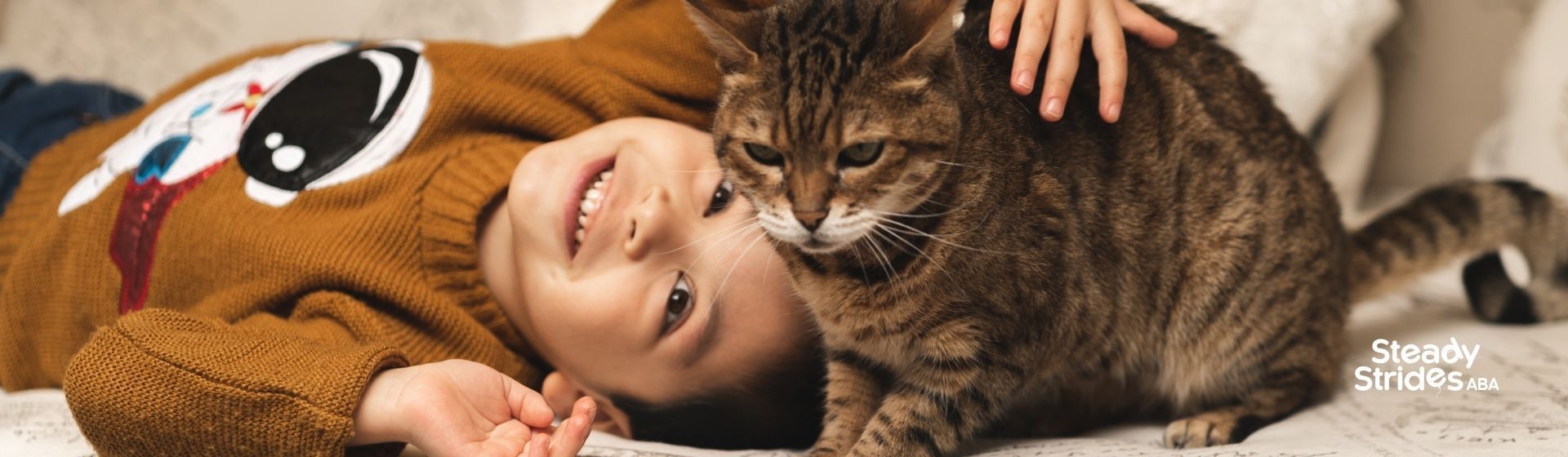
The gentle act of stroking a cat's soft fur or listening to its rhythmic purring can be incredibly soothing, reducing anxiety and promoting relaxation. This calming effect can significantly improve the quality of life for autistic children, creating moments of tranquility amidst the chaos.
Cats offer unwavering companionship, providing a constant source of support and love. Their presence alone can make a world of difference, reminding autistic children that they are not alone and are deeply loved.
Why Cats Make Great Companions for Autistic Children
While dogs often steal the spotlight as therapy animals, cats bring unique qualities that make them exceptionally well-suited for autistic children. Their independent nature allows them to be present without being overwhelming, respecting a child's need for space and predictability.
Furthermore, cats are relatively low-maintenance pets, requiring less demanding care than dogs. This makes them a manageable addition to families with autistic children who may already face unique challenges.
Sensory Benefits of Having a Cat
Sensory sensitivities are common among individuals with autism spectrum disorder, making the sensory experience of pet ownership particularly significant. Cats offer a unique sensory profile that can be incredibly soothing.
The soft, plush texture of a cat's fur provides a calming tactile experience. The act of stroking a cat can release endorphins, promoting a sense of well-being and reducing stress. Moreover, the rhythmic sound of a cat's purring can create a calming auditory experience, drowning out overwhelming noises and promoting relaxation. In essence, cats offer a symphony of gentle sensory experiences that can bring immense comfort and peace to autistic children dealing with sensory overload.
Cats' Influence on Emotional Development
Autistic kids often face challenges in understanding and expressing emotions. Cats can play a crucial role in supporting emotional development. By providing unconditional love and acceptance, cats help autistic children develop a sense of security and trust.
This emotional bond creates a safe space for children to explore and express their emotions without fear of judgment. Interacting with a cat can foster empathy and compassion, as children learn to understand and respond to their pet's needs. Through their gentle and non-judgmental nature, cats can help autistic children navigate the complexities of the emotional world, fostering self-regulation and emotional maturity.
Selecting the Right Cat for Your Child
Finding the perfect feline companion for an autistic child involves thoughtful consideration. Each cat has a unique personality, and understanding the specific needs and preferences of your child is Paramount.
Factors to consider include temperament, activity level, grooming needs, and potential allergens. Consulting with a veterinarian or animal behaviorist can help you make an informed decision tailored to your family's lifestyle and your child's individual needs.
Temperament Traits to Look For
When choosing the right pet for an autistic child, temperament reigns supreme. Look for cats with a gentle nature, known for their patience and tolerance. Breeds like Ragdolls, Maine Coons, and Persians are often praised for their placid demeanor.
Consider your child's individual preferences. Some children may gravitate towards playful and energetic cats, while others find solace in quieter, more laid-back companions. Ultimately, the right cat will be a source of comfort and joy, respecting your child's boundaries and enriching their life with companionship.
Considerations for Families with Autistic Children
Integrating pet ownership into the lives of children on the autism spectrum requires careful planning and preparation. Start by introducing the concept of having a cat gradually, using social stories or visual aids to familiarize your child with the idea.
Creating a predictable routine for feeding, playing, and caring for the cat provides structure and helps minimize potential anxiety. Respect your child's boundaries and allow them to engage with the cat at their own pace, ensuring a positive and comfortable experience.
Remember, pet ownership should enhance, not overwhelm. Prioritize your child's well-being and make adjustments as needed to create a harmonious environment for both your child and your feline friend.
Top Cat Breeds for Children with Autism
While every cat is unique, certain breeds are renowned for their gentle temperament, affectionate nature, and suitability for families with autistic children. These breeds are more likely to exhibit patience, tolerance, and a calming presence, creating a harmonious bond.
Let's explore some of the top contenders for the title of "best cats for autistic children."
1. Maine Coon: Gentle Giants
Maine Coon cats, known for their larger size and gentle nature, are often dubbed "gentle giants." Their placid demeanor and affectionate personalities make them wonderful companions for children, including those with autism.
Despite their imposing stature, Maine Coons are incredibly gentle. They're known for being tolerant of children's antics and enjoy being petted, making them ideal cuddle buddies. Their playful nature can also encourage interaction and activity. With their laid-back personalities and affectionate disposition, Maine Coons can be a source of comfort and companionship for autistic children.
2. Siamese: Talkative and Sociable
Siamese cats, with their striking blue eyes and sleek coats, are celebrated for their sociable and vocal personalities. They thrive on human interaction and form strong bonds with their families.
Siamese cats are highly intelligent and often described as "dog-like" in their loyalty and trainability. They enjoy learning tricks and playing interactive games, which can be enriching for autistic children.
While their vocal nature might seem overwhelming initially, Siamese cats can learn to modulate their voices. Their desire to communicate and interact can encourage social engagement and reduce feelings of isolation.
Conclusion
In conclusion, cats can be wonderful companions for autistic children, providing not only sensory benefits but also emotional support and comfort. Understanding the role of pets in enhancing social skills is crucial, and cats, with their gentle nature and interactive behavior, are well-suited for this purpose. When selecting a cat for your child, consider temperament traits and the specific needs of your family. Breeds like the Maine Coon and Siamese are known for their compatibility with children. Introducing a cat to your autistic child can be a rewarding experience, fostering responsibility and companionship. If you're considering adding a feline friend to your family, these considerations can guide you in finding the perfect match.
Steady Strides ABA is your trusted partner in providing exceptional Applied Behavior Analysis (ABA) therapy for autistic children in Texas and New Mexico. With a proven track record of success, our dedicated team of experienced therapists offers personalized treatment plans tailored to each child's unique needs. We believe in empowering autistic individuals to reach their full potential through evidence-based ABA techniques. We offer in-home ABA therapy and center-based therapy to enable you to choose what works best for your family. Contact Steady Strides ABA for the best care and support for your child's journey.
Frequently Asked Questions
How do I introduce a new cat to my autistic child?
Introducing a kitten or cat to a child with autism spectrum disorder requires patience and empathy. Start with gradual, supervised interactions, allowing the child to observe the cat from a distance before moving to closer contact. Prioritize a calm and quiet environment to minimize stress and allow for an adjustment period.
Can caring for a cat help my child develop responsibility?
Yes, pet ownership can foster responsibility in autistic kids. Involving them in age-appropriate animal care tasks like feeding, grooming, or playing can establish a daily routine and teach valuable life skills.
What are some challenges of having a cat with an autistic child?
Challenges may arise due to sensory sensitivities related to touch, sound, or smells. A cat's hyperactivity might be overstimulating for some children with autism. Understanding individual preferences and making environmental adjustments are crucial.
Are there hypoallergenic cats suitable for children with allergies?
While no cat is completely hypoallergenic, some breeds like the Siberian produce fewer allergens. However, it's essential to manage expectations as allergens can still be present in their saliva and dander.
How can I tell if a cat is a good fit for our family's needs?
Consulting with a veterinarian or experienced shelter staff is advisable. Consider your family dynamics, the autistic child's specific needs, and the breed's temperament to assess compatibility. Prioritize a trial period to observe interactions before making a final decision.
SOURCES:
- https://www.who.int/news-room/fact-sheets/detail/autism-spectrum-disorders
- https://www.theautismservice.co.uk/news/what-is-sensory-overload/
- https://www.pawsforpeople.org/who-we-are/benefits-of-pet-therapy/
- https://www.amcny.org/blog/2021/06/16/how-cats-are-helping-children-with-autism/
- https://pathways.org/benefits-of-pets
- https://www.maine.gov/sos/kids/about/symbols/cats