


Introduction
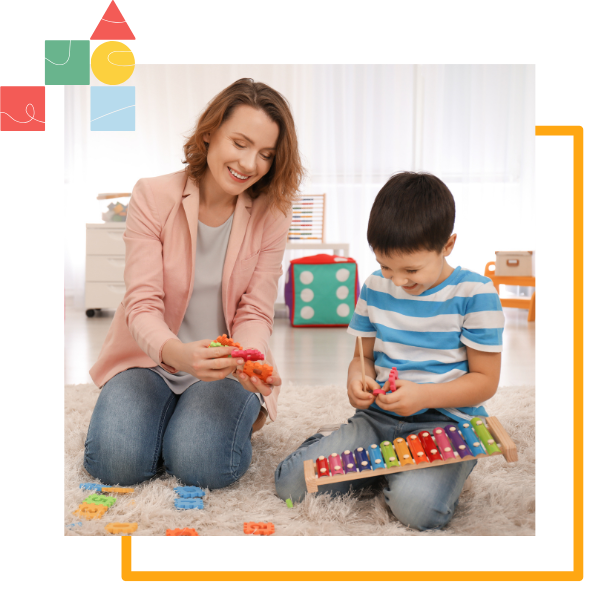
Friendship is a cornerstone of childhood development, yet for many children with Autism Spectrum Disorder (ASD), building and maintaining friendships can be challenging. In Texas, Applied Behavior Analysis (ABA) therapy has become a powerful tool to help children develop the social skills necessary to foster meaningful connections. This blog explores how ABA therapy supports friendship-building, with insights for parents, individuals with ASD, therapists, and educators.
Why Friendships Matter for Children with Autism
- Emotional growth: Friendships provide emotional support and reduce feelings of isolation.
- Social learning: Children learn empathy, cooperation, and communication through peer interactions.
- Academic success: Positive peer relationships often correlate with improved classroom engagement.
How ABA Therapy Supports Friendship Development
Social Skills Training
- Turn-taking and sharing: Structured activities help children practice patience and cooperation.
- Active listening: ABA therapists model and reinforce listening behaviors.
- Perspective-taking: Children learn to understand others’ emotions and viewpoints.
Group Sessions and Peer Modeling
- Social skills groups: Small group settings allow children to practice with peers in a safe environment.
- Peer modeling: Observing and imitating peers helps children learn appropriate social behaviors.
Role-Playing and Real-Life Scenarios
- Role-play exercises: Simulated social situations prepare children for real-world interactions.
- Community outings: Practicing skills in natural settings fosters confidence and generalization.
Case Study: Houston Social Skills Program
In Houston, ABA providers like
PediaPlex and
Ivory Behavior Group have implemented social skills therapy programs. For example, one child who struggled with initiating play learned through structured ABA sessions to ask peers to join games. Over time, this skill translated into lasting friendships at
school and in the community.
Benefits for Families and Educators
- Reduced stress for
parents: Consistent therapy helps children navigate social challenges more independently.
- Support for educators: Teachers benefit from collaboration with ABA therapists to reinforce social skills in classrooms.
- Empowerment for individuals with ASD: Children gain confidence in their ability to connect with others.
Practical Tips for Parents in Texas
- Apply early for financial assistance: Programs like Medicaid waivers (MDCP, CLASS) and SSI can offset therapy costs.
- Stay organized: Keep records of therapy progress and applications.
- Collaborate with schools: Partner with educators to reinforce social skills across settings.
Table: Key ABA Strategies for Fostering Friendships
| Strategy | Example | Benefit |
|---|---|---|
| Turn-taking | Board games | Builds patience and cooperation |
| Active listening | Storytelling sessions | Improves communication |
| Perspective-taking | Emotion cards | Enhances empathy |
| Role-playing | Playground scenarios | Prepares for real-life interactions |
Conclusion
Navigating friendships can be complex for children with autism, but ABA therapy provides structured, evidence-based support to make these connections possible. In Texas, families, therapists, and educators are working together to ensure children with ASD have the tools to build lasting friendships. By combining therapy, community resources, and family involvement, children can thrive socially and emotionally, creating a foundation for lifelong growth.
At Steady Strides ABA, we know that friendships are more than playdates, they’re the foundation for confidence, growth, and lifelong connections. Our evidence-based ABA therapy in Texas are designed to help children with autism build social skills, foster meaningful friendships, and thrive in supportive environments.
Discover how we can help your family unlock lasting connections. Contact us today!
Frequently Asked Questions
How does ABA therapy help children with autism make friends?
ABA therapy uses structured strategies like role-playing, social skills groups, and peer modeling to teach children how to initiate conversations, share, and respond to social cues,skills that are essential for building friendships.
What age is best to start ABA therapy for social skills?
Early intervention is highly recommended, but ABA therapy can benefit children and adolescents at any age. The earlier children begin, the more time they have to practice and generalize friendship-building skills across home, school, and community settings.
Can ABA therapy be integrated into school programs in Texas?
Yes. Many schools collaborate with ABA providers to reinforce social skills in classrooms. Educators and therapists often work together to ensure children practice friendship-building strategies consistently across different environments.
SOURCES:
https://www.sciencedirect.com/science/article/pii/S1750946721000933
https://pmc.ncbi.nlm.nih.gov/articles/PMC6844292/
https://my.clevelandclinic.org/health/articles/autism
https://aquila.usm.edu/cgi/viewcontent.cgi?article=1430&context=honors_theses
https://www.child-encyclopedia.com/autism/according-experts/impact-autism-child-development